Hero Image (optional)

iBstone AuraLink Expert Review

Mid-Priced OTCReleased 2024
See Price at iBstone

We independently review each item we recommend and appreciate your trust and support. When you buy through our links, we may earn a commission. Learn More.

How We Test

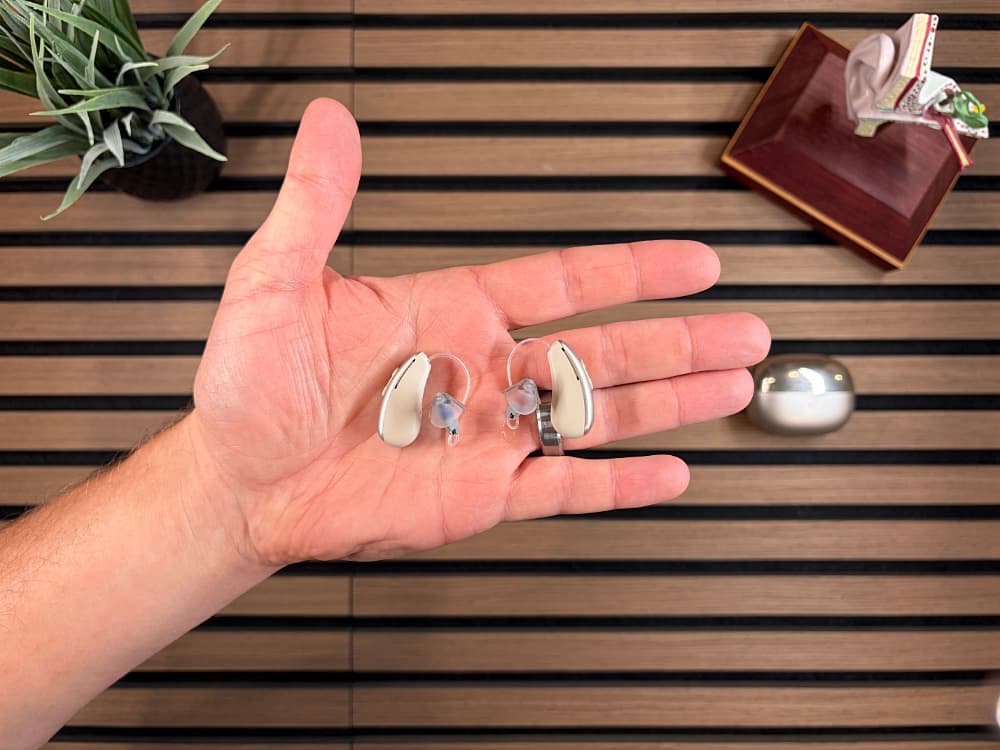
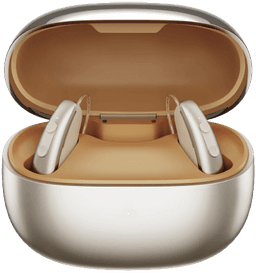
The iBstone AuraLink is a mid-priced OTC hearing aid available at $649, earning a SoundScore of 3.2/5 in HearAdvisor lab testing. This behind-the-ear device delivers a mixed performance profile with notable strengths in certain areas offset by limitations in core speech understanding metrics.

The AuraLink's standout feature is its music streaming quality, scoring a solid 3.6/5—1.73 points above the OTC category average. This makes it a compelling option for users who prioritize phone-based audio content. Feedback handling is excellent at 5.0/5, meaning users can expect stable performance without whistling during normal wear. Own-voice comfort scores slightly above average at 2.7/5.

However, speech clarity presents challenges. Speech in quiet environments scores a mixed 2.2/5, falling 0.45 points below the category average. More concerning is speech in noise performance at -0.1/5, which is 1.30 points below average—a significant limitation for users who need help hearing in restaurants, social gatherings, or other challenging listening situations.

The AuraLink may suit users who primarily listen in quieter environments and value high-quality music streaming, but those who struggle most with speech understanding in noisy settings should consider alternatives. Similar sound quality is available at lower prices from options like the iHear MatriX (Score 3.35/5).

Reliable & Repeatable Lab Results

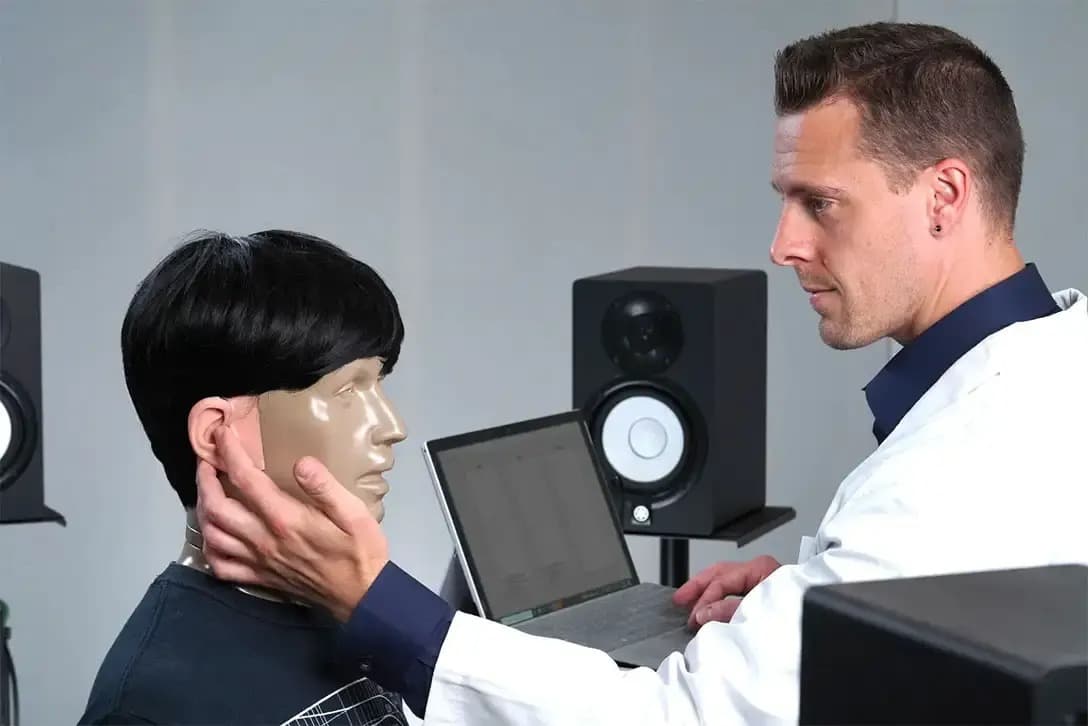
Quality data starts with quality recordings. HearAdvisor worked with GRAS to build a no-compromise front end so every test is repeatable and reliable.

Learn more
Steve in HearAdvisor Lab
HearAdvisor Verdict
B
Bottom Line

The iBstone AuraLink delivers excellent feedback handling and strong music streaming, but struggles significantly with speech clarity in noisy environments.

Strengths
  • Perfect feedback handling5.0/5
  • Strong music streaming+1.73 above category
  • Above-average own voice quality
Drawbacks
  • Very poor speech in noise-0.1/5
  • Below-average speech in quiet2.2/5
Lab Test Summary

In initial fit testing with tulip dome coupling, the AuraLink achieved a normalized score of 3.2/5. Speech in quiet measured 2.2/5, below the category average, while speech in noise was notably low at -0.1/5. The device excelled in feedback handling with a perfect 5.0/5 and delivered solid music streaming at 3.6/5. Own-voice comfort was mixed at 2.7/5, slightly above the OTC average. The initial fit reflects the manufacturer's proprietary default settings.

What is HearAdvisor's Initial Fit?

The Initial Fit approximates the most likely settings and eartips for a typical moderate hearing loss. Results are measured across the same 72 acoustic scenes in our custom-built lab, then scored on a 5-star scale using an auditory model.

Lab Review Scores
B
SoundGrade
Initial Score
3.2
Tuned Score
3.2
Speech in quiet
best
2.2
5.0
Own voice
best
2.7
5.0
Speech in noise
best
-0.1
5.0
Feedback handling
best
5.0
5.0
Music streaming
best
3.6
5.0

Loading listening test...

Graph
Lab Recordings
Adjust volume to make "No hearing aids" as loud as it would be in the real world, without hearing aids. Remove hearing aids while auditioning. High-quality headphones will improve results!
Lab Image
Lab Notes
Initial Fitting
Tuned Fitting
Ear Coupling
Initial Fitting
Tulip Dome
Tuned Fitting
Tulip Dome
Receiver
Initial Fitting
Default
Tuned Fitting
Default
Fitting Formula
Initial Fitting
Proprietary manufacturer default
Tuned Fitting
Proprietary manufacturer default
Listening Program
Initial Fitting
Outdoor (Noisy)
Tuned Fitting
Outdoor (Noisy)
Volume Setting
Initial Fitting
Left 15%: Right 25%
Tuned Fitting
Left 15%; Right 25%
Software Version
Initial Fitting
1.0.5
Tuned Fitting
1.0.5
Tuning Adjustments
Initial Fitting
N3 audiogram input, Other settings at manufacturer defaults
Tuned Fitting
n/a
Notes
Initial Fitting
Different volume settings was needed to balance amplification between devices
Tuned Fitting
Initial and Tuned fits identical as subsequent setting changes maintained or degraded performance