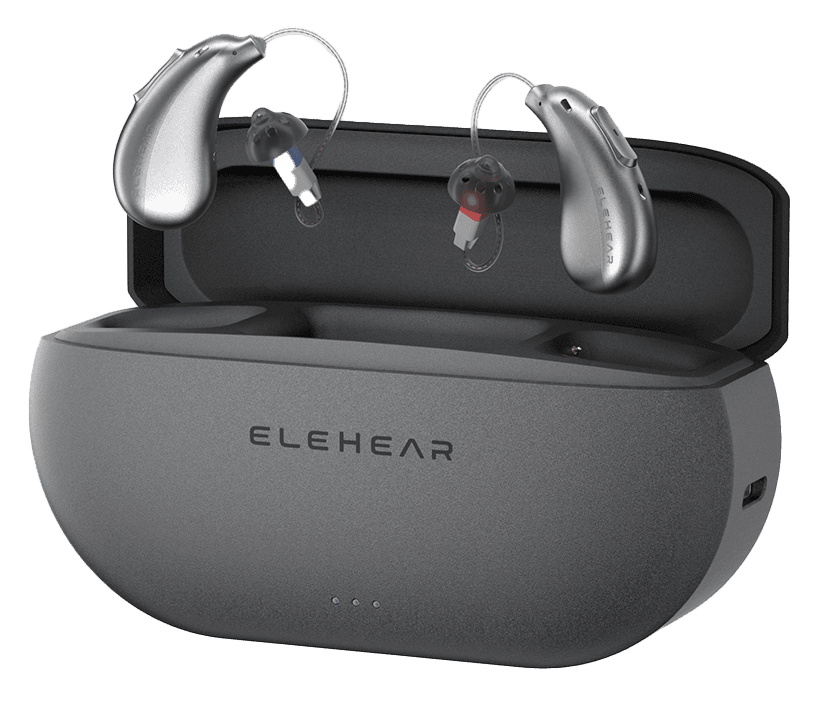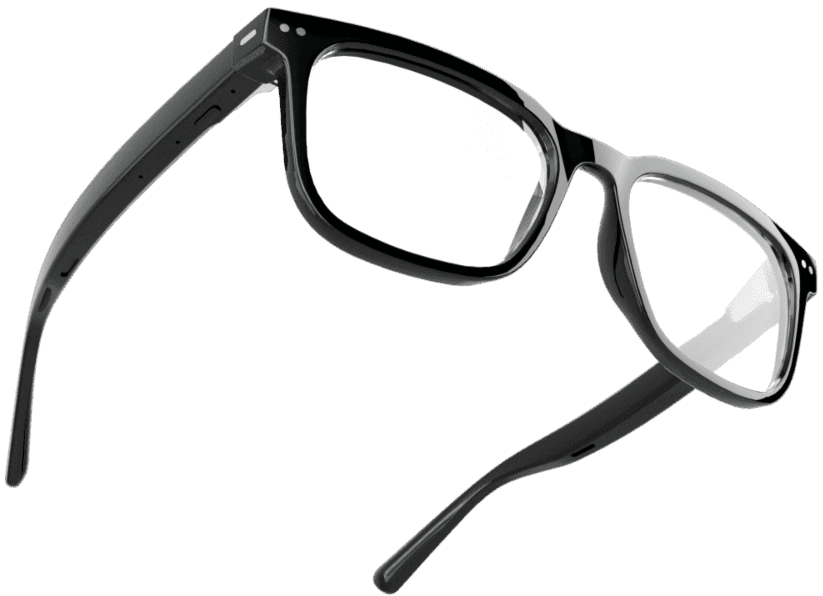
Ranks first on our current OTC leaderboard, with identical Initial and Tuned results: 4.4/5 for Speech in Quiet, 4.3/5 for Music Streaming, and 5/5 for feedback handling.

Independent lab testing reveals the best over-the-counter hearing aids of 2026. Compare prices and sound quality.


Over-the-counter hearing aids have made real hearing help more affordable than ever, but performance varies more in this category than anywhere else we test. This guide pairs independent HearAdvisor lab measurements with practical guidance, making it easy to compare OTC devices using objective performance scores rather than marketing claims. Across the dozens of self-fitting models we've tested, the standout performers are highlighted for priorities like overall sound, everyday clarity, plug-and-play simplicity, and value.
Lab-Tested Rankings
Our top overall, premium, budget, and value OTC picks, with the lab evidence behind each recommendation.

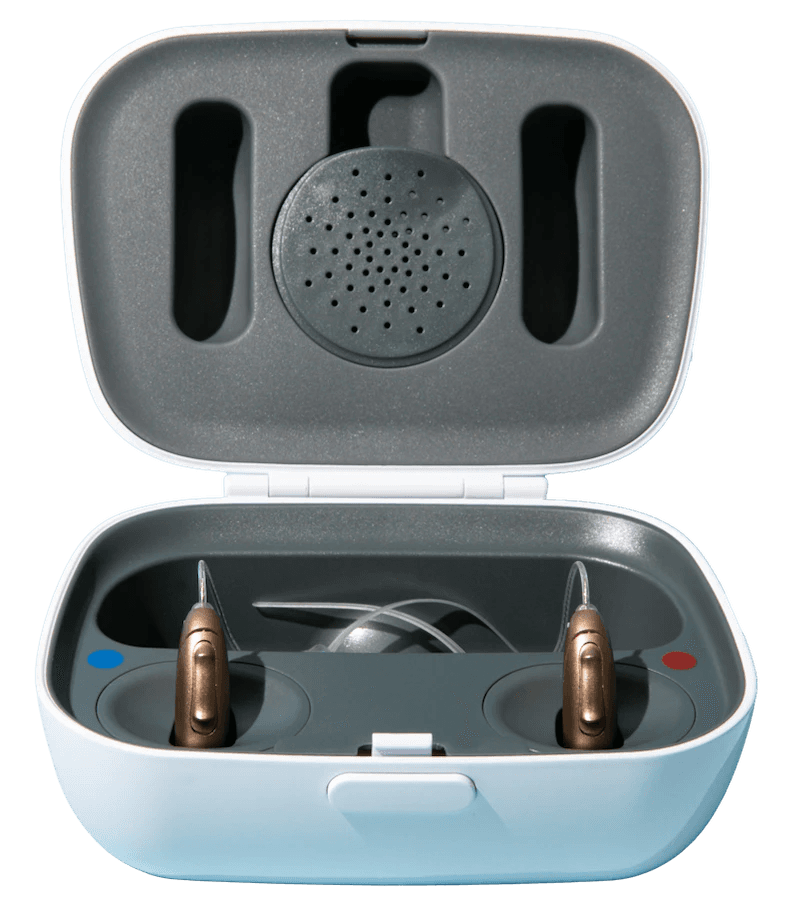
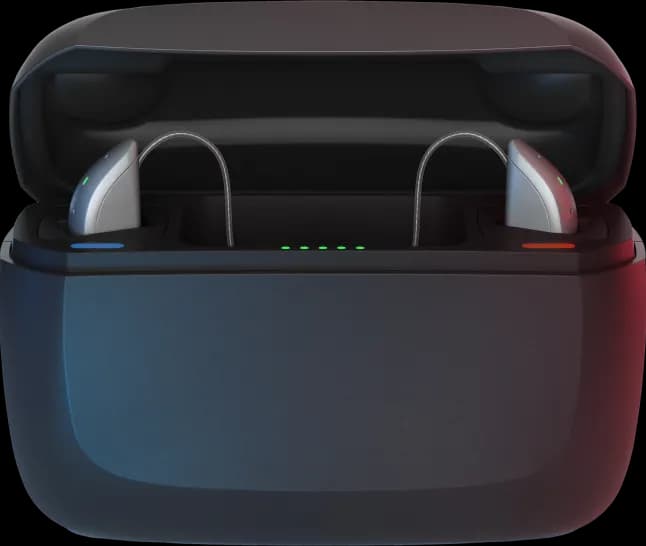
Ranks first on our current OTC leaderboard, with identical Initial and Tuned results: 4.4/5 for Speech in Quiet, 4.3/5 for Music Streaming, and 5/5 for feedback handling.

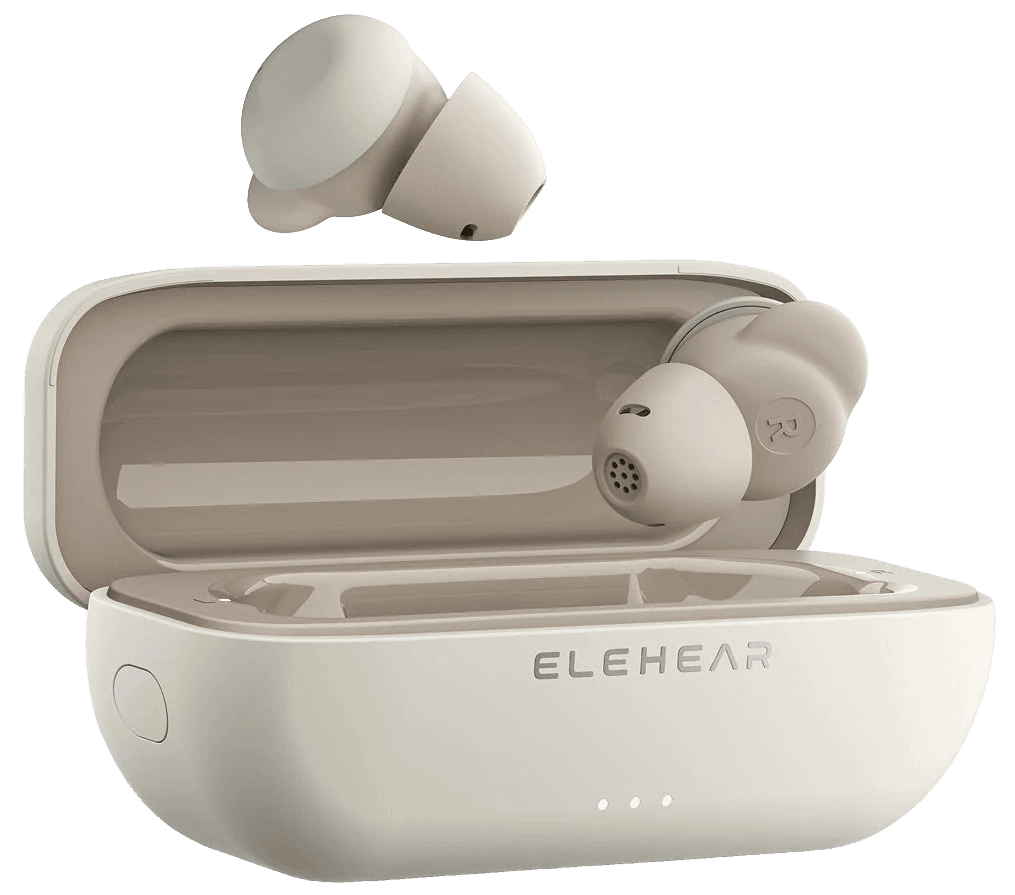
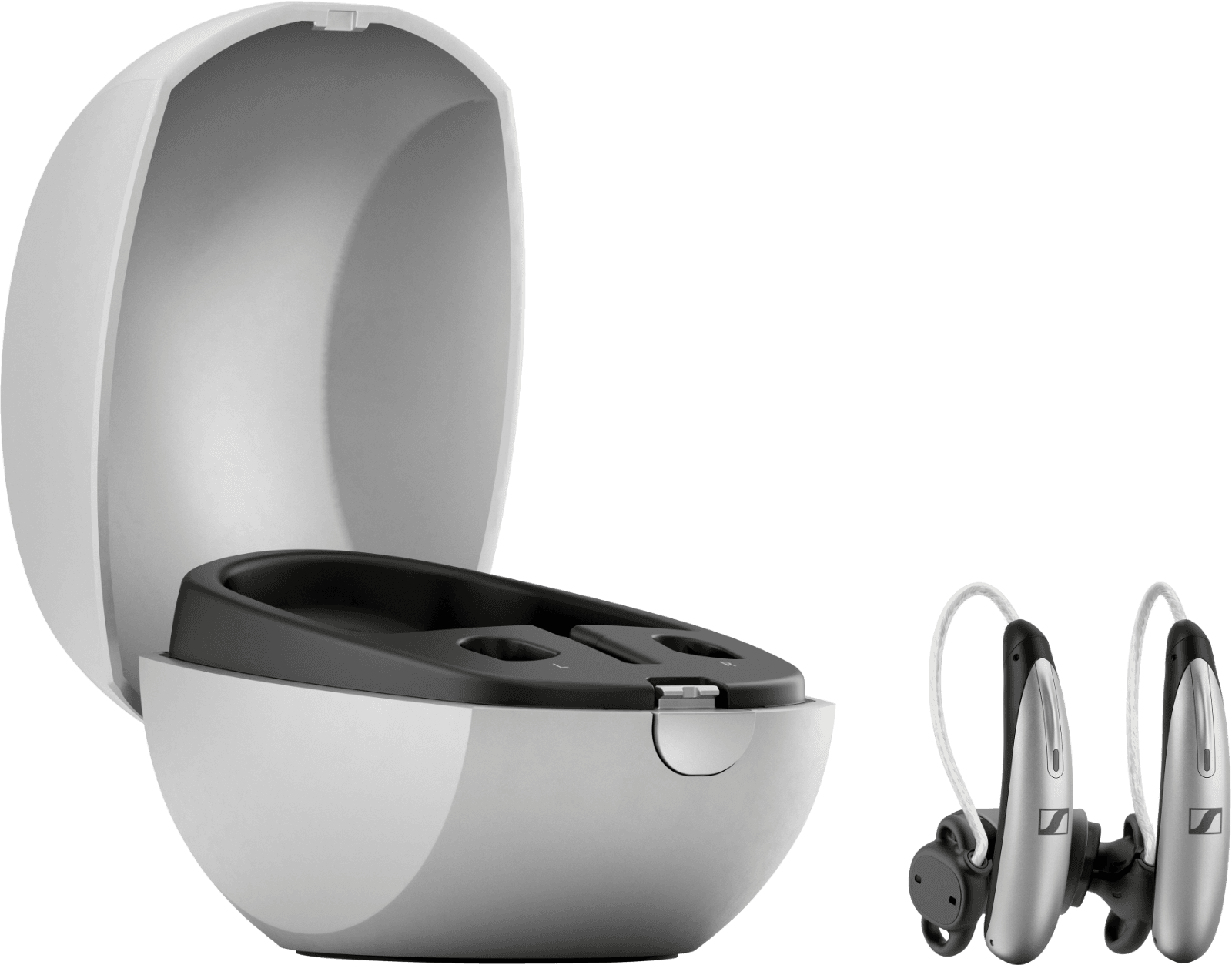
The second-highest SoundScore of any OTC device we currently list, with 4.2/5 for Speech in Quiet and 4.5/5 for feedback handling in its Tuned fit.

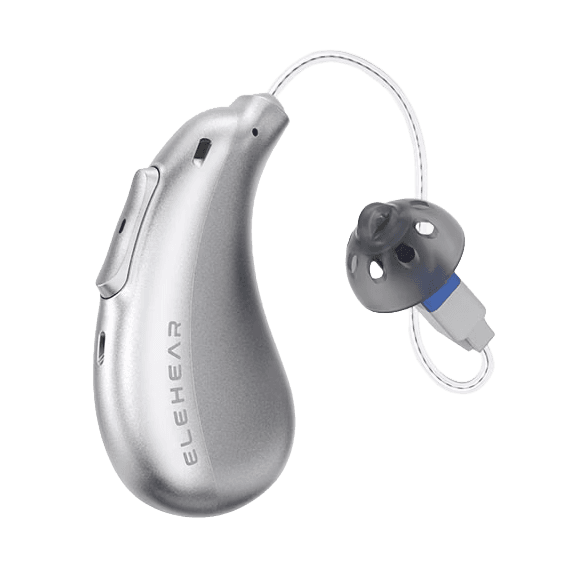
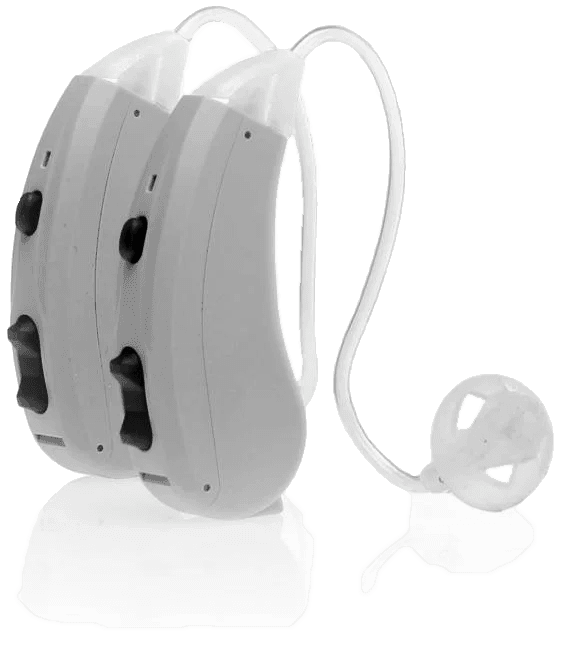
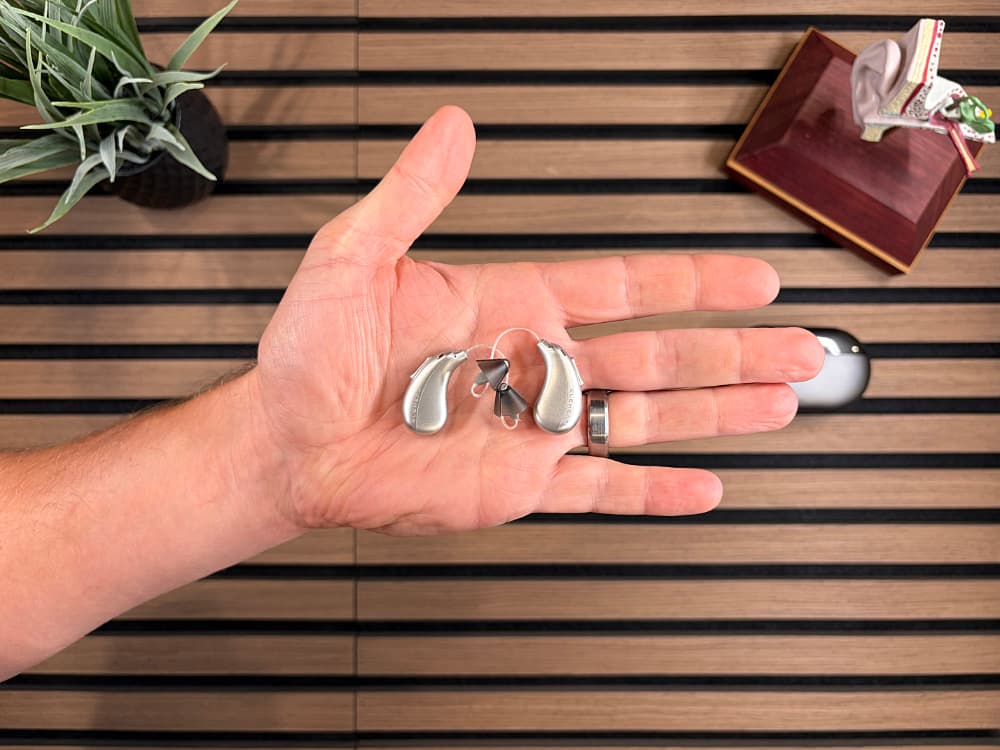
Our budget pick pairs A-grade sound with 4.0 for Speech in Quiet. Initial and Tuned results matched in every measured category.

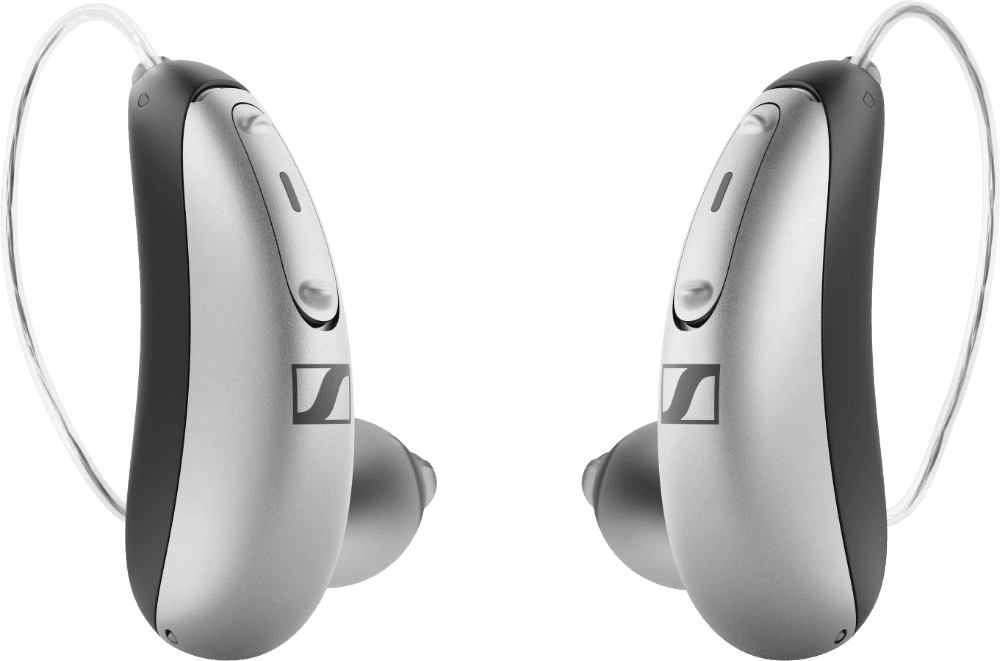
A-grade overall sound with 3.8 for Music Streaming and 5.0 for feedback handling. Initial and Tuned results matched in every measured category.
The Winners
The leaderboard below includes every over-the-counter hearing aid we've tested to date. Compare our lab metrics side by side, then filter by price and style—and sort by the situation that matters most to you (like speech in noise or music streaming).
Compare laboratory performance scores
Device | Released | Price | Category | SoundScore | ||
|---|---|---|---|---|---|---|
Initial (Pre-tuning) | Tuned (Optimized) | |||||
| 2025 | $$ See Price | OTC | 4.7A | 2.4 | 2.4 | |
| 2023 | $$$ See Price | OTC | 4.6A | 2.3 | 2.3 | |
| 2023 | $$ See Price | OTC | 4.4A | 1.9 | 1.9 | |
| 2024 | $ See Price | OTC | 4.3A | 2.1 | 2.3 | |
| 2026 | $ See Price | OTC | 4.3A | 1.8 | 1.8 | |
| 2024 | $ See Price | OTC | 4.3A | 1.7 | 1.9 | |
| 2025 | $$ See Price | OTC | 4.2A | 2.5 | 2.5 | |
| 2023 | $$$ | OTC | 4.1A | 1.5 | 1.5 | |
| 2023 | $$ | OTC | 4.0A | 1.8 | 2.6 | |
| 2025 | $$$ | OTC | 3.9B | 2.3 | 2.3 | |
We independently review each item we recommend and appreciate your trust and support. When you buy through our links, we may earn a commission. Learn More.
Our Methodology
No company can buy a better score. Every ranking is based on lab measurements — not opinions, not industry relationships.
Every device is programmed to a standard N3 audiogram — a common moderate hearing loss profile — ensuring apples-to-apples comparison.
Devices are placed on a GRAS KEMAR manikin in our acoustically treated chamber and measured across real-world audio scenarios.
Results are distilled into a single SoundScore, with a letter grade (A–F) for a quick read, so you can objectively compare a $200 OTC device against a $4,000 prescription set.
Category Winners
SoundScore decides the rankings above, but the right OTC device also depends on your listening life. Below, our audiologists break down the top over-the-counter performers by what each does best.

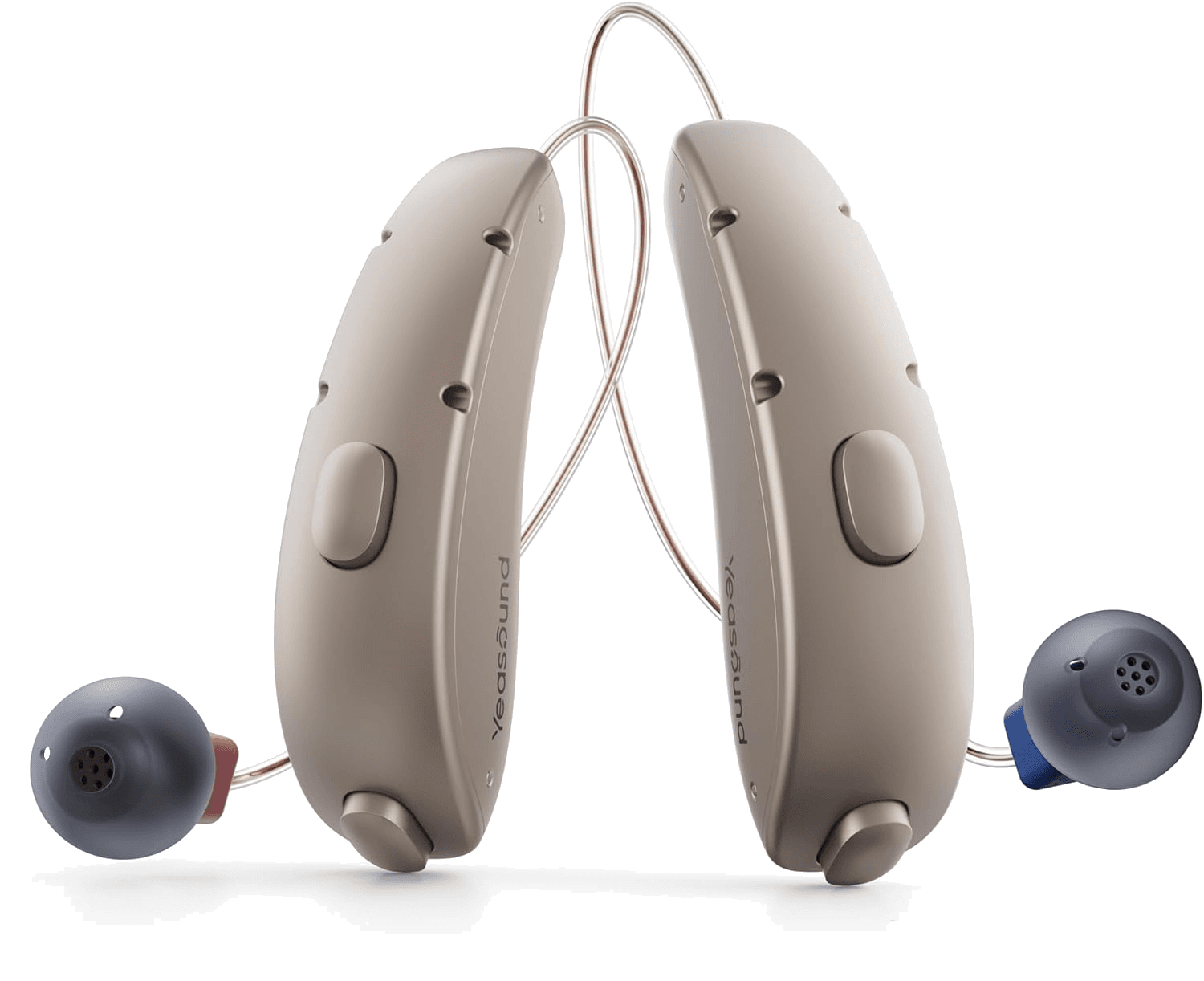
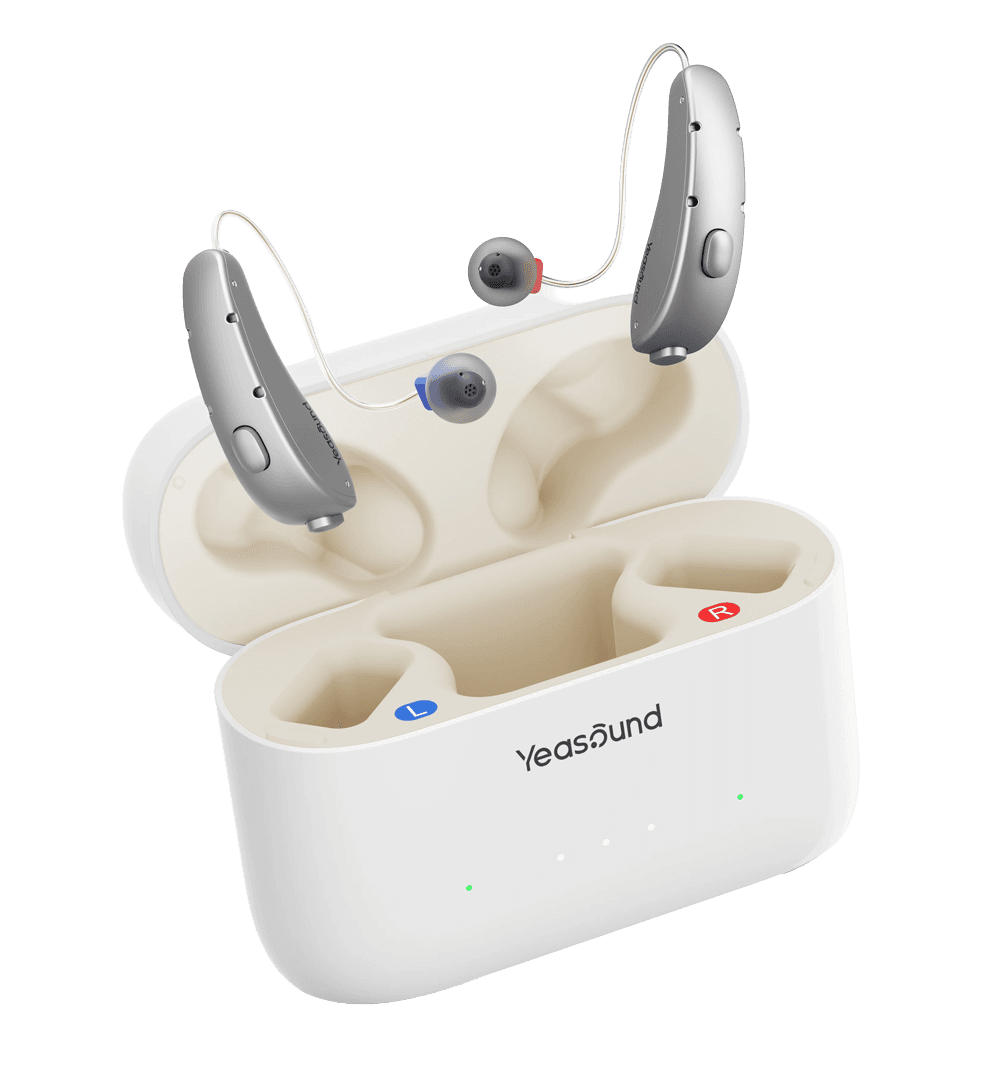
It ranks first on our current OTC leaderboard, with Initial and Tuned results that matched in every measured category and a perfect feedback-handling score. The RIC800 is still adjustable: Yeasound documents app-based programs, volume, equalizer, directionality, and other controls.
Both fits scored 4.4/5 for Speech in Quiet, 2.4/5 for Speech in Noise, 4.3/5 for Music Streaming, and 5/5 for feedback handling. We tested the High-frequency Sound Enhancement hearing type with other settings at manufacturer defaults.
People who prioritize conversation in quieter settings, streamed music, and feedback control - and are comfortable using the iYeasound app when they want to personalize the sound.

It posted the second-highest SoundScore of any OTC device we currently list, pairing strong speech clarity with excellent feedback handling.
Its Tuned fit scored 4.2/5 for Speech in Quiet, 2.3/5 for Speech in Noise, 3.6/5 for Music Streaming, and 4.5/5 for feedback handling.
Buyers who want premium, reliable all-around OTC performance and are comfortable paying more for it.

At the time of review it was the lowest-priced of these four featured products, with A-grade overall sound and out-of-the-box speech clarity that matched its fine-tuned results.
Both fits scored 4.0/5 for Speech in Quiet and 1.8/5 for Speech in Noise, with 3.1/5 for Music Streaming and 4.2/5 for feedback handling.
Value-conscious first-time users who mostly want clearer conversation in quieter settings and a simple setup.

While the blended speech metric ended its run at the top of our OTC leaderboard, it still delivers A-grade overall sound, above-average Speech in Noise, and ceiling-level feedback control for its price.
Both fits scored 3.3/5 for Speech in Quiet, 2.5/5 for Speech in Noise, 3.8/5 for Music Streaming, and 5/5 for feedback handling.
Adults looking for an over-the-counter hearing aid with modern features and dependable everyday performance, who don't mind a slightly larger behind-the-ear design.
Good to Know
Please read the information in the FAQ below before making any decisions based on the scores and audio files presented above.
Our goal is to evaluate hearing aids in realistic environments and with the most common settings. We have built a custom laboratory to create these environments, and use an industry-standard acoustic manikin to make recordings. The recordings are passed through validated models from the hearing science literature. The outputs of those models are presented as the scores on this site. To learn more visit our How We Measure page which includes a brief video and a thorough outline of our scientific approach in our methodology.
Our methods leverage the best our scientific community has to offer; however, we understand that no testing method is perfect. We can not account for every hearing loss or the numerous ways hearing devices can be programmed. We remain humble and are continuously working to improve our current v1.0 methods.
We program hearing aids to a common age-related mild sloping to moderate hearing loss. If you have more or less hearing loss, or a different pattern, our audio samples will not reflect the performance you may experience with hearing aids programmed for your needs. You should also exercise caution when interpreting our data as hearing aid performance varies with programming. We are attempting to simplify the comparison process but nothing beats a trial with hearing aids programmed for you.
Here are steps to improve the realism of audio comparisons with our hearing aid sound files:
To hear your best with a common age-related hearing loss, it is important that hearing aids provide adequate high-frequency (high tone) amplification. Emphasizing the high frequencies can alter the sound quality substantially, leading to a less natural sound on first impression. But ultimately, replacing those missing high frequency sounds (that haven't been heard clearly for some time) is the key to understanding speech better.
So while you're listening to our sound samples, remember that what sounds best from a sound quality perspective may not align with what provides the greatest benefit to speech clarity. If you're an experienced hearing aid user, you will know well that hearing aids can seem unnatural and overly bright initially, but over time you acclimatize and retrain your brain to hear in a more natural way.
We also encourage you to go beyond the sound samples and click through our ratings for speech performance in quiet and noisy settings, own voice quality, feedback handling, and audio streaming quality.
You may be tempted to believe that over-the-counter (OTC) hearing aids, like the Jabra Enhance Plus, are just as good as prescription (Rx) hearing aids. In some cases, OTC hearing aids can offer the same performance as prescription devices but there are some important caveats to consider:
We test hearing aids using a state-of-the art anthropomorphic manikin and custom built test chamber. We also rely on industry standard hearing aid measurements and leverage the latest science with metrics that model the injured hearing system. Our data represents the real hearing aid performance based on our test setup and protocol.
If we suspect our test results are inaccurate, we perform retests to double-check our measurements and we commonly reach out to the manufacturer for clarification on the performance we observe.
We are also in regular discussions with manufacturers and field experts regarding potential improvements to our current v1.0 metrics.
Several OTC companies rebrand prescription technologies for the direct-to-consumer market. While the technology may be the same, manufacturers can alter the programming, default settings, and software recommendations (e.g., ear tips). These changes can impact the overall performance and our SoundGrade.
Not necessarily as there are many reasons a device may score below an A, such as lower amplification in the default settings. Performance for these devices may improve with tuning however, this is less common in the real world. For this reason, our SoundGrade is weighted towards the performance we observe in the Initial Fit.
Another consideration is the relation between price and performance. A $200 device with a B SoundGrade represents a great overall value.
We report data on the sound performance of hearing devices, but this is only one dimension that should be considered when purchasing a hearing aid. Other elements such as comfort, durability, wireless performance, and style are not covered on HearAdvisor. For more information on usability factors, check out the thorough product reviews that reference our data on HearingTracker.com.
"Open-fit" hearing aids are hearing aids that leave your ear canal open. All of the prescription devices tested to date by HearAdvisor are considered open-fit hearing aids. "Closed-fit" hearing aids are those that seal off your ear canal with either a tight custom mold or rubber / silicone ear tip that lets little to no air in or out. Devices such as the Sony CRE-C10, Jabra Enhance Plus, and Apple AirPods Pro 2 are considered closed-fit devices.
The open-fit configuration has several implications for sound quality, benefit with hearing aids, sound localization, and hearing in noise:
While open-fit hearing aids offer several advantages over closed-fit hearing aids, they may not be the best choice for everyone, especially those with severe hearing loss or who need better performance in noisy environments. We recommend working closely with an audiologist to determine the most appropriate hearing aid style and features for your individual needs.