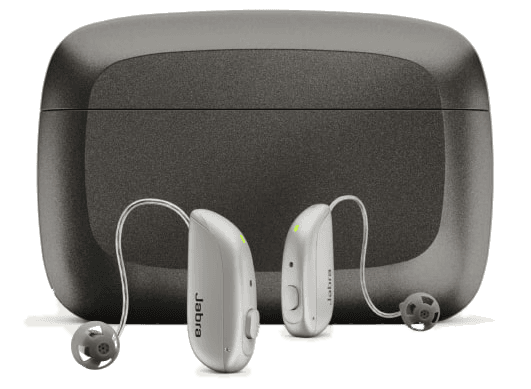
Independent Jabra laboratory analysis

Jabra Enhance Select Hearing Aids: HearAdvisor Lab Reviews

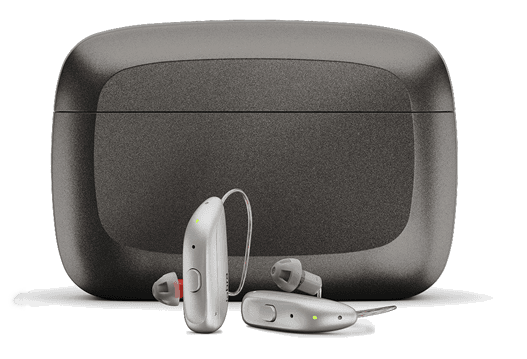
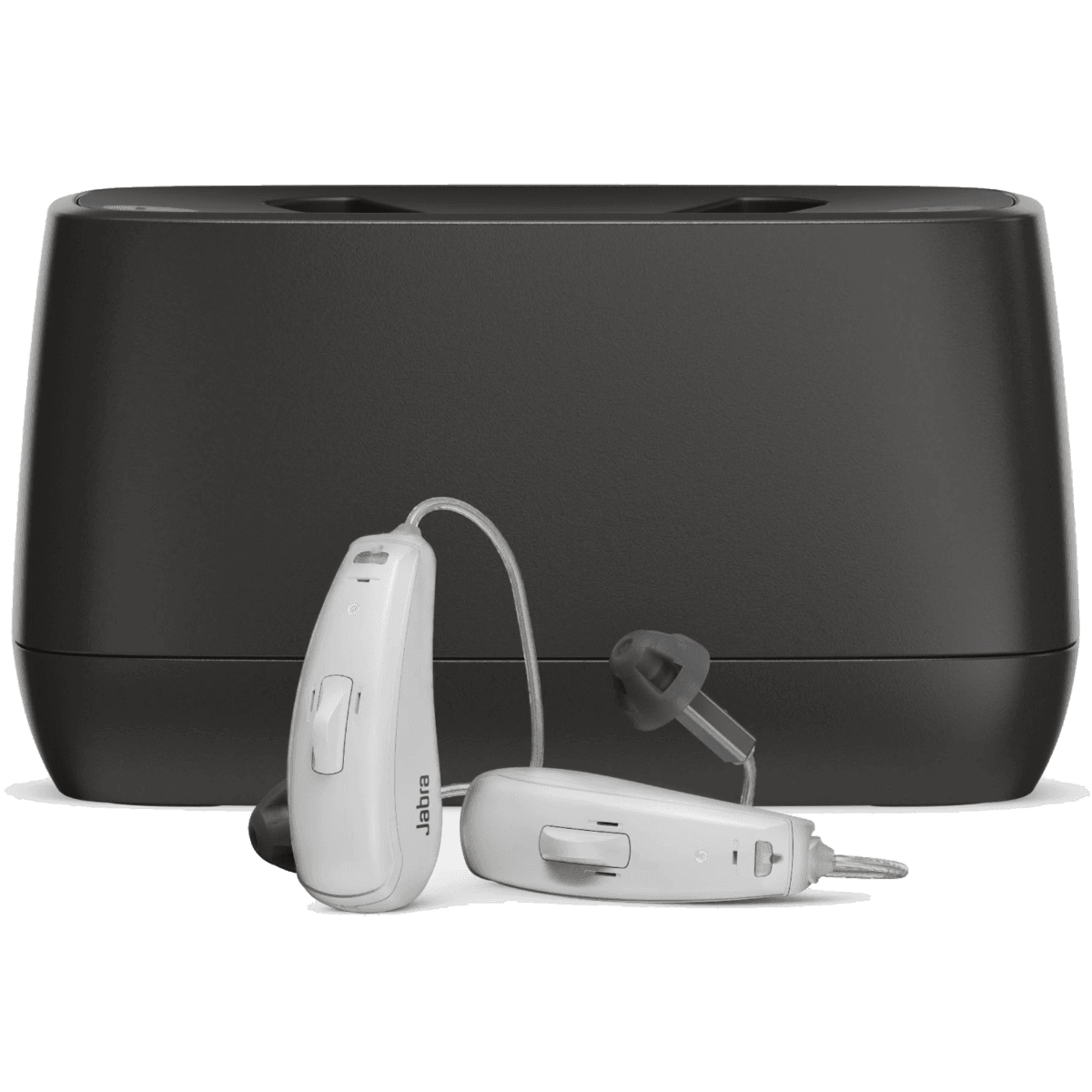
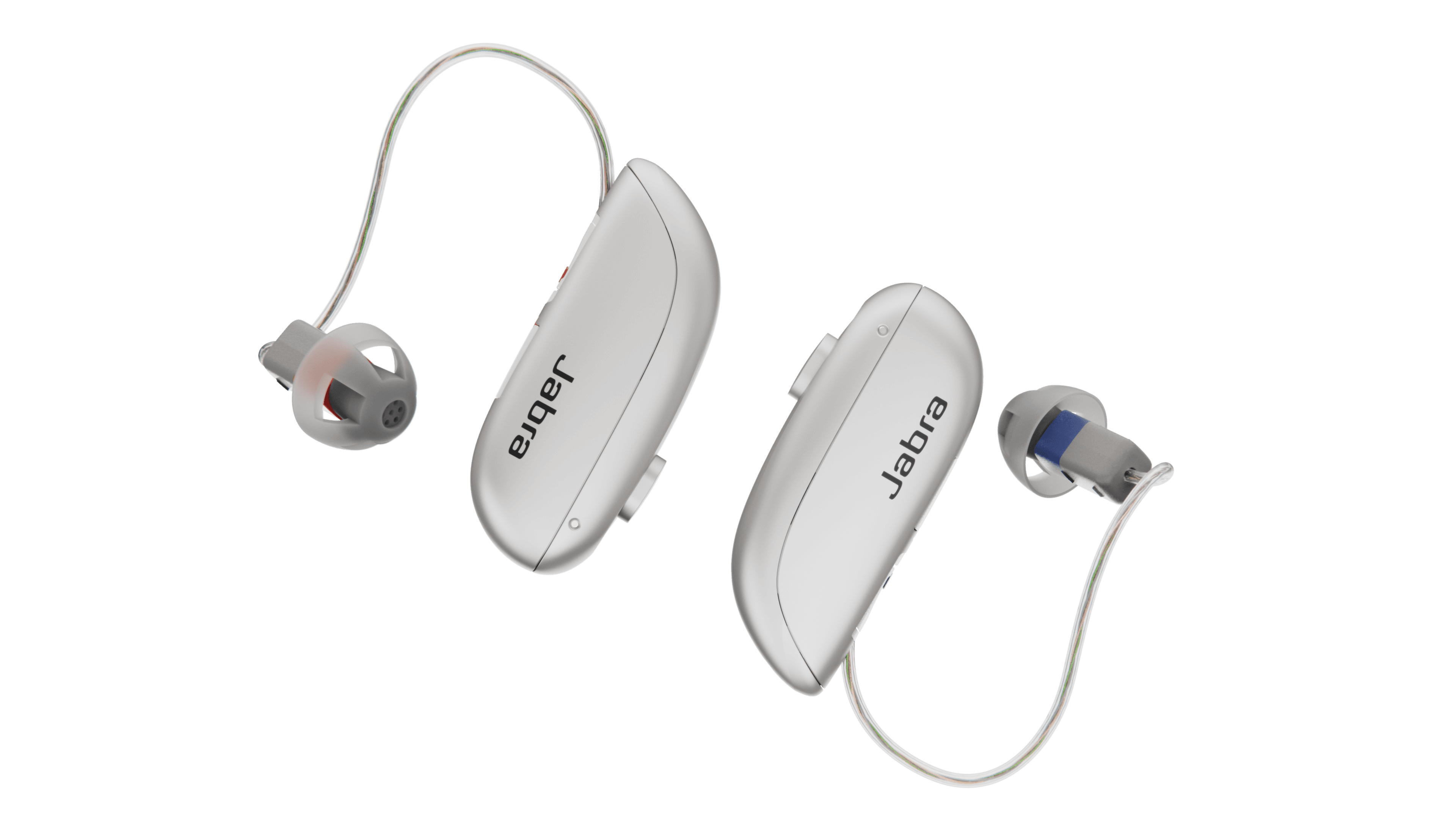
Jabra Enhance combines GN's hearing-aid heritage with an online, direct-to-consumer care model. HearAdvisor independently tested the Select 50R, 300, 500, and 700 to show where that technology performs well—and where model names and feature claims do not tell the whole story.

Models tested
4
Models tested
Acoustic scenes
72
Acoustic scenes
Fittings each
2
Fittings each
Calibrated manikin
KEMAR
Calibrated manikin
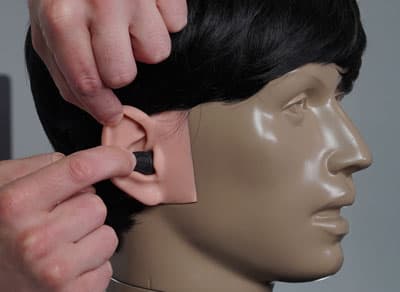
Jabra hearing aids positioned on the HearAdvisor KEMAR acoustic manikin

Side-by-side results

The HearAdvisor Jabra performance matrix

Start with Initial Fit to compare the experience closest to a standard remote setup, then switch to Tuned Fit to see what changed after dome and programming adjustments.

Switch fittings to see how HearAdvisor's measured core metrics changed after tuning.

Jabra Enhance Select HearAdvisor SoundGrades and initial fit laboratory scores
ProductHearAdvisor SoundGradeSpeech in quietSpeech in noiseFeedback handlingBuying channel / price
A4.0/51.5/55.0/5$1,695/pairat Jabra Enhance
B2.8/50.8/55.0/5$1,195/pairat Jabra Enhance
B3.3/50.9/55.0/5$1,795/pairat Jabra Enhance
A4.0/51.6/54.3/5Archived model · last listed at $1,995/pair

Component scores use HearAdvisor's 0–5 scale. SoundGrade reflects the full testing protocol, not a simple average of the three visible columns. Only HearAdvisor laboratory metrics are included; partner-site and consumer-review scores are excluded. Prices are per pair from HearAdvisor's product and offer records and may change.

What HearAdvisor tested

One protocol, two fittings, five core metrics

Every Select model runs the same calibrated protocol, so every score on this page compares device to device rather than test to test.

Test protocol

HearAdvisor Lab Director Dr. Steve Taddei evaluated each model on a calibrated KEMAR acoustic manikin. Devices were recorded across 72 realistic acoustic scenes using an eight-speaker array, then analyzed for speech benefit in quiet and loud environments, own-voice naturalness, feedback resistance, and streamed music quality.

Initial Fit

Approximates a typical consumer setup—the experience closest to a standard remote fitting out of the box.

Tuned Fit

Approximates audiological best practice for HearAdvisor's standard N3 hearing-loss profile.

Five core metrics

Speech in quietSpeech in noiseOwn voiceFeedback handlingMusic streaming

Results describe these devices under that protocol; they cannot predict every person's hearing or every possible fitting.

Brand-level findings

Evaluating the Jabra Enhance Select ecosystem

Two themes hold across all four models: consistent feedback control, and a persistent gap between quiet-room clarity and speech-in-noise benefit.

Lab strength

Where Jabra Hearing Aids Excel: Feedback & Own-Voice Naturalness

Feedback control and natural own voice

Feedback handling is the most consistent strength in this set. The 300, 700, and 50R all reached 5.0/5 in both their Initial and Tuned fits; the 500 measured 4.3 initially and 4.6 when tuned. That means the devices resisted the whistles and squeals HearAdvisor attempts to provoke under controlled laboratory conditions.

All four also began with open domes and scored between 4.2 and 4.6 for own voice. An open coupling lets low-frequency sound escape the ear canal, helping reduce the plugged or boomy sensation known as occlusion. The dome tradeoff is visible in the Tuned Fit: own-voice scores fell when the 300, 500, 700, and 50R moved to more occluding domes.

Lab limitation

Where Jabra Hearing Aids Struggle: Speech-in-Noise Isolation

Speech-in-noise benefit lags quiet-room clarity

Jabra's quiet-speech results were much stronger than its loud-environment results. Initial-fit speech in quiet reached 4.0/5 for the 300 and 500, versus 1.5 and 1.6 in noise. The 700 and 50R showed the widest concern: 3.3 and 2.8 in quiet but only 0.9 and 0.8 in noise, below the OTC category average recorded in HearAdvisor's review notes.

HearAdvisor tuning produced only modest noise gains for the 300 and 500 and none for the 700 or 50R. This does not mean Jabra's directional microphones or SoundScape processing are absent; it means the manufacturer's noise-reduction claims did not translate into equally strong measured speech benefit for HearAdvisor's N3 profile and test scenes. Buyers focused on restaurants should compare recordings and competing products, not specifications alone.

Model-by-model analysis

Jabra models tested by HearAdvisor

The Select 50R, 300, and 700 remain active in HearAdvisor's catalog. The 500 is retained here because its lab results remain useful to existing owners and shoppers comparing older inventory.

Lab review summary
SoundGrade AExpert Choice
Jabra Enhance Select 300 Hero

Jabra Enhance Select 300

The Select 300 is the strongest overall performer among the active Jabra models in this comparison. Its A SoundGrade and Expert Choice status are anchored by 4.0/5 speech in quiet, a perfect 5.0/5 for feedback handling, and 4.2/5 own-voice comfort in the open-dome initial fit.

Music streaming was the weak point at 1.8/5 initially. HearAdvisor's tulip-dome Tuned Fit raised streaming to 2.6/5 and speech in noise to 1.8/5, while own-voice comfort eased to 3.5/5. Jabra says the 300 provides 24-hour power, three additional case charges, and hands-free calling on compatible iPhones.

Lab review summary
SoundGrade B
Jabra Enhance Select 50R Hero

Jabra Enhance Select 50R

The Select 50R is the most affordable Jabra model in this comparison, and its B SoundGrade matches the flagship 700. Its strengths mirror the rest of the line: a ceiling-level 5.0/5 feedback score and the set's highest open-dome own-voice comfort at 4.6/5. The tradeoff is speech benefit—speech in quiet was modest at 2.8/5 and speech in noise was the lowest of any Jabra here at 0.8/5.

HearAdvisor's closed vented-dome Tuned Fit raised speech in quiet to 3.8/5 and music streaming from 2.1/5 to 2.8/5, while feedback handling held at a perfect 5.0/5. As with the other models, the more occluding dome cost own-voice comfort, which fell to 2.5/5, and speech in noise did not improve. Jabra bills the 50R as its entry-level rechargeable model for everyday listening—citing Bluetooth streaming for calls and music, a 2.5-gram body, and a desktop charger that delivers up to 24 hours of use per three-hour charge—and frames it for one-on-one conversation and quiet settings rather than noisy rooms, which matches its lab profile. It is the least expensive way into the Enhance Select line, but shoppers who spend time in noise should weigh its speech-in-noise result against the higher-graded 300.

Lab review summary
SoundGrade B
Jabra Enhance Select 700 Hero

Jabra Enhance Select 700

The Select 700 is Jabra's current flagship, but its B SoundGrade trails the A-grade 300 and 500 in HearAdvisor's acoustic testing. Its clearest strengths were a ceiling-level 5.0/5 feedback score and 4.3/5 own-voice comfort with an open dome. Speech in noise was the principal limitation at 0.9/5.

Switching to a tulip dome maintained perfect feedback handling and raised streaming from 2.0/5 to 2.5/5, but did not improve speech in noise and reduced own-voice comfort to 3.7/5. Jabra's feature list adds Bluetooth LE Audio, Auracast, TapControl, hands-free calling on compatible phones, and a smaller 2.12-gram body; those connectivity features should be considered separately from HearAdvisor's measured streaming-fidelity score.

Lab review summary
SoundGrade AExpert ChoiceLegacy model
Jabra Enhance Select 500 Hero

Jabra Enhance Select 500

The Select 500 earned an A SoundGrade and Expert Choice award in HearAdvisor testing. Its open-dome initial fit combined 4.0/5 speech in quiet with 4.3/5 own-voice comfort. Feedback handling measured 4.3/5, while streaming was lower at 1.9/5.

Tuning improved music streaming to 2.9/5, but the more occluding tulip dome coincided with an own-voice drop to 2.2/5. GN introduced the 500 as a compact Micro RIE with Bluetooth LE Audio, Auracast readiness, and IP68 weather resistance. It is now archived in HearAdvisor's catalog, and Jabra redirects its former product page to the newer 700.

Common questions

Frequently Asked Questions

Music fidelity, prescriptions, and how Jabra stacks up against other top OTC hearing aids.

Music streaming was not a leading strength for any of these models. Initial scores were 1.8/5 for the 300, 1.9/5 for the 500, 2.0/5 for the 700, and 2.1/5 for the 50R. Tuning raised them to 2.6, 2.9, 2.5, and 2.8 respectively, showing that ear coupling and programming can change the outcome.

Newer Bluetooth features should not be confused with measured fidelity. The 500 and 700 support Bluetooth LE Audio and Auracast on compatible devices, but HearAdvisor’s music metric evaluates the sound arriving at the eardrum—not connection stability or the length of the feature list. Listen to each model’s recordings in the full reviews before deciding.

No. Under the FDA’s OTC framework, adults age 18 and older with perceived mild-to-moderate hearing loss may buy an OTC hearing aid without a medical exam, prescription, or in-person fitting. Jabra Enhance sells online and says its active Select packages include custom programming, remote adjustments in the app, and three years of virtual audiology services.

Remote care is still different from a complete in-person diagnostic evaluation. People under 18, those who suspect severe hearing loss, or anyone with medical warning signs should seek qualified hearing care rather than relying on an OTC purchase alone.

Jabra stands out here for feedback resistance, open-dome own-voice comfort, discreet receiver-in-canal hardware, and remote professional support. Its main tradeoffs are premium pricing and less convincing speech-in-noise and streamed-music scores—especially for the 700.

Compare the Lexie B2 Plus if you want another open-fit behind-the-ear design, the Sony CRE-E10 for a high-performing earbud-style alternative, or the Eargo Link for a lower-priced open-fit option. The OTC SoundGrade leaderboard provides the broadest current comparison.

Evidence and disclosure

How this Jabra review was sourced

Scores, grades, model status, and prices come from HearAdvisor's own product, evaluation, and offer records—no partner-site or consumer ratings inform the analysis.

Sources & methodology

Scores, grades, model status, and prices come from HearAdvisor's product, evaluation, and offer records. Product experience comments informed general context, but no HearingTracker or partner-site rating was used in the analysis, comparison table, or recommendation.

Manufacturer feature and battery statements are identified as Jabra or GN claims and were accessed July 10, 2026.

Stay Updated

Subscribe to our newsletter

HearAdvisor will send out a newsletter once a month to share the latest test results and audio files.

By clicking Sign Up you’re confirming that you agree with our Terms and Conditions.