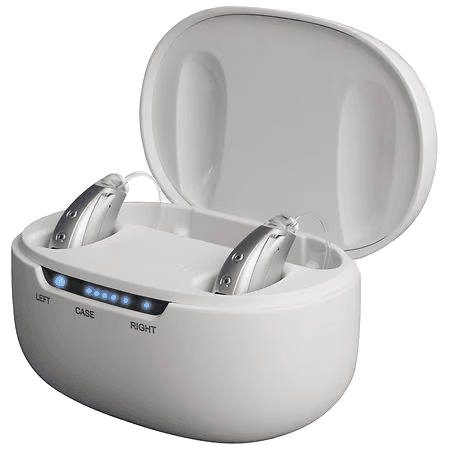
HearingAssist Control Expert Review
Our independent lab evaluated the HearingAssist Control across five performance metrics using standardized acoustic measurements. This review presents objective test results for both initial and professionally tuned fit conditions.

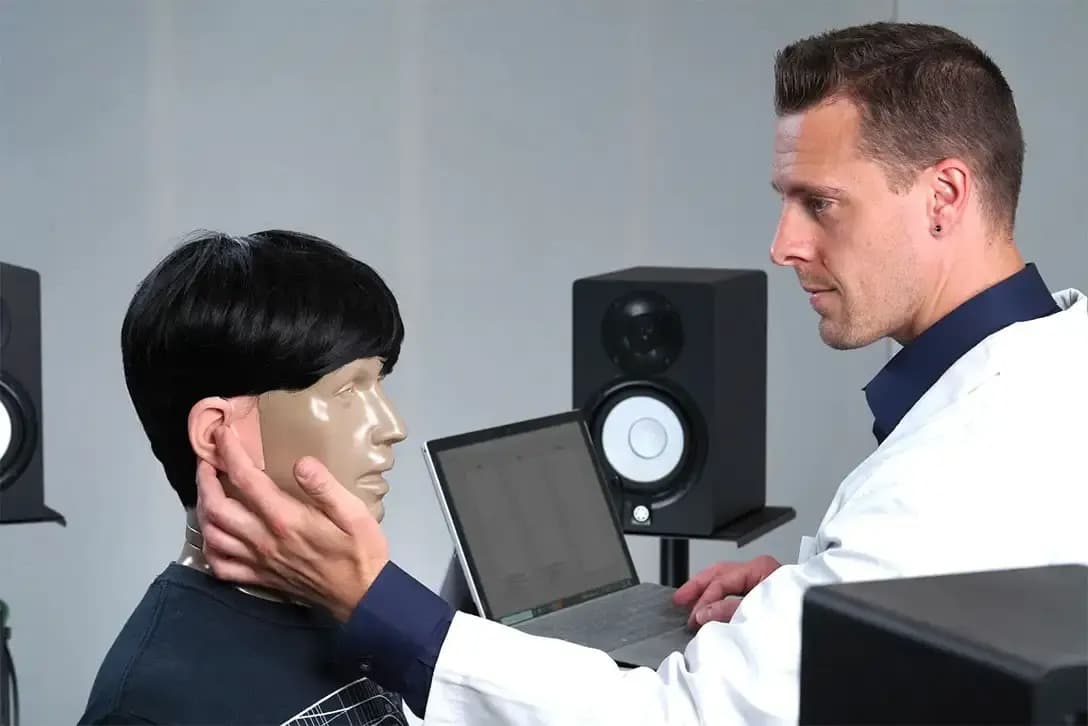
Quality data starts with quality recordings. HearAdvisor worked with GRAS to build a no-compromise front end so every test is repeatable and reliable.

Lab Assessment
Where the HearingAssist Control Performs and Where It Falls Short
Our verdict synthesizes acoustic measurements, feature testing, and fit-condition comparisons into an overall assessment. Below you will find the grade, SoundScore, and ranking that summarize how this behind-the-ear OTC device performed in our lab.
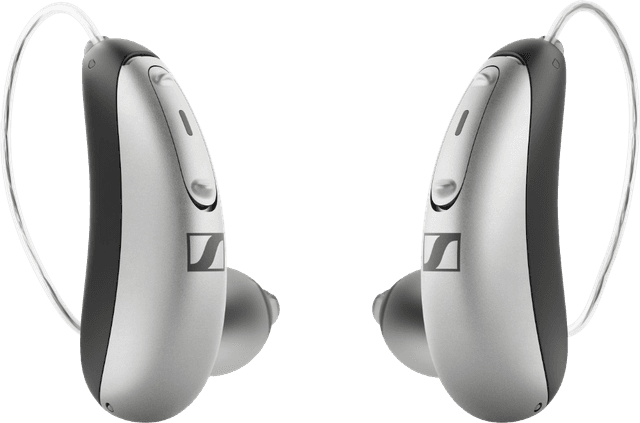
The HearingAssist Control offers excellent feedback handling and above-average speech clarity, best for budget-conscious users prioritizing conversation over music.
- Excellent feedback handling5.0/5
- Above-average speech in quiet+0.56 vs category
- Speech in noise above category average+0.77
- No music streaming capability0.0/5
- Below-average own voice quality-0.39 vs category
- Speech in noise still low in absolute terms1.9/5
Fit Conditions
HearingAssist Control Performance Across Initial and Tuned Settings
We measured this device in both its out-of-box configuration and after professional tuning adjustments. The summaries below detail how each fit condition affected acoustic output and target matching.
In initial fit testing with power domes with slits, the HearingAssist Control achieved a normalized score of 2.9/5. Speech performance was limited out of the box, with speech-in-quiet at 1.5/5 and speech-in-noise at 1.0/5. Feedback handling was excellent at 5.0/5, providing stable operation. Own-voice comfort measured 2.1/5, and music streaming was unavailable at 0.0/5. The initial fit reflects basic setup behavior before any tuning adjustments.
What is HearAdvisor's Initial Fit?
The Initial Fit approximates the most likely settings and eartips for a typical moderate hearing loss. Results are measured across the same 72 acoustic scenes in our custom-built lab, then scored on a 5-star scale using an auditory model.
Metric Breakdown
Five Lab Metrics for the HearingAssist Control
Our testing protocol measures speech clarity in quiet, speech understanding in noise, feedback management, own-voice naturalness, and streaming audio quality. The score card below displays how this rechargeable behind-the-ear device performed on each dimension.
Amplification Analysis
HearingAssist Control Insertion Gain Measurements
Insertion gain curves show how much amplification the device provides at each frequency compared to prescriptive targets. The graph below illustrates the measured output against the fitting formula for this OTC hearing aid.
Audio Samples
Manikin Recordings of the HearingAssist Control
We captured processed audio through an acoustic test manikin to demonstrate real-world sound quality. Compare the recordings below against the unaided reference to hear how this device renders speech and environmental sounds.

Test Configuration
HearingAssist Control Measurement Documentation
Our lab notes record the specific settings, equipment, and procedures used during testing. Below you will find the documented configuration for this behind-the-ear rechargeable device evaluation.
Initial Fitting | Tuned Fitting | |
|---|---|---|
| Ear Coupling | Power Dome with Slits | Power Dome with Slits |