Olive Union Air vs Otofonix Encore
Side-by-side HearAdvisor lab results with SoundGrades, expert pick badges, and the same visualizations we use in product reviews.
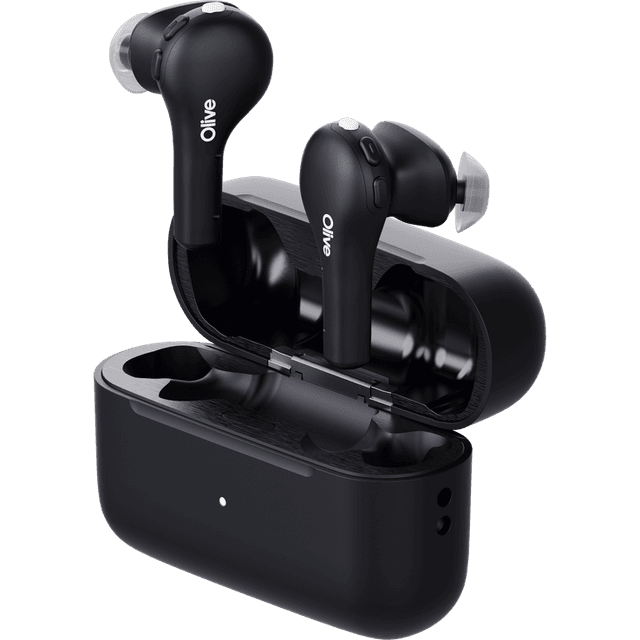
Olive Union Air
The Olive Union Air is a budget-priced OTC hearing aid that earned a B grade with a SoundScore of 3.9/5 in our lab testing, placing it in the top 31% of OTC hearing aids at #21 of 65 devices tested. At $250, it represents a competitive entry point in the over-the-counter hearing aid market. In our testing, this visible-in-ear style device demonstrated notable strengths in music streaming, scoring 3.6/5—a solid result that sits 1.67 points above the OTC category average. Feedback handling was excellent at 5.0/5, meaning users should experience minimal whistling or squealing during normal use. Speech understanding in quiet environments also performed well at 3.3/5, measuring 0.46 points above the category average. The Olive Union Air does show limitations in more challenging listening situations. Speech in noise scored 1.0/5, falling 0.48 points below the category average—a common weakness among budget OTC devices that may affect conversations in restaurants or busy environments. Own-voice comfort measured 2.2/5, slightly below average, which some users may notice when speaking. This device is best suited for individuals who prioritize music and media streaming, need reliable feedback control, and primarily listen in quieter environments. Those who frequently encounter noisy social situations may want to consider devices with stronger speech-in-noise performance.
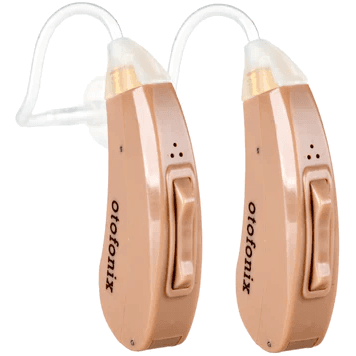
Otofonix Encore
The Otofonix Encore is a budget-priced prescription hearing aid available for $295, earning a C grade with a SoundScore of 2.7/5 in our lab testing. This behind-the-ear device ranks #37 of 39 in the Prescription Hearing Aid category, placing it in the bottom tier of its class. In our standardized testing, the Encore demonstrates one clear strength: excellent feedback handling at 4.7/5, which means users are unlikely to experience whistling or squealing during normal use. However, the device shows significant limitations in other areas. Speech intelligibility scores are low in both quiet (1.0/5) and noisy environments (1.0/5), falling 2.40 and 1.11 points below category averages respectively. Music streaming performance scored 0.0/5, indicating this device is not suitable for those who want to stream audio content. The Encore uses disposable batteries and comes in a traditional behind-the-ear style. Notably, our tuned fit testing showed a slight decrease in overall performance compared to the initial fit, with the normalized score dropping from 2.8/5 to 2.4/5. Own-voice comfort also declined substantially when moving to a more occluding coupling. At this price point, consumers may want to consider alternatives. The RxEars Rxi offers substantially better performance at a similar budget price point with a score of 4.07/5. The Otofonix Encore may appeal to buyers seeking a very low-cost entry into prescription hearing aids who prioritize feedback stability, but those needing reliable speech clarity or streaming capabilities should explore other options.
Performance metrics
Scale 1-5 (Tuned)
Lab metric by fit
Scale 1-5 (Tuned)
Speech level
Adjust input dB (Tuned)
Amplification (REIG)
Insertion gain at 65 dB (Tuned)
Audio scenes
Recorded samples (Tuned)
Fitting configuration for tuned fit