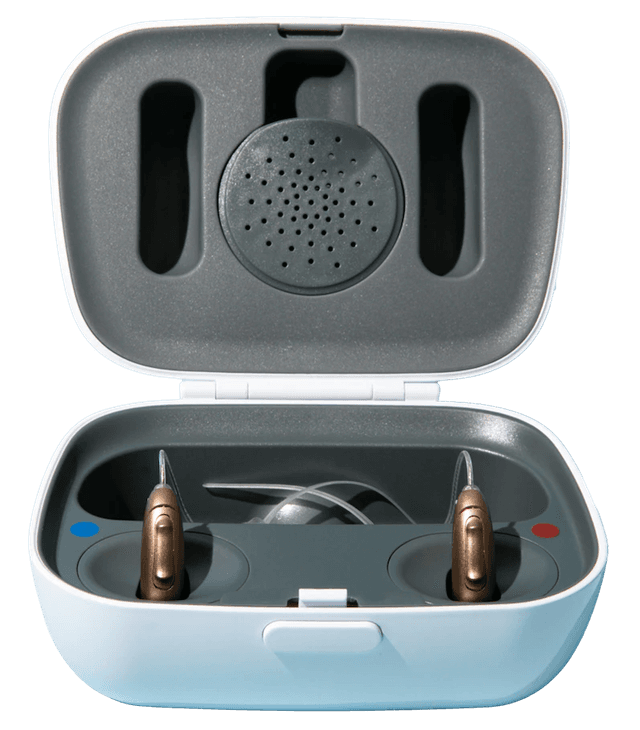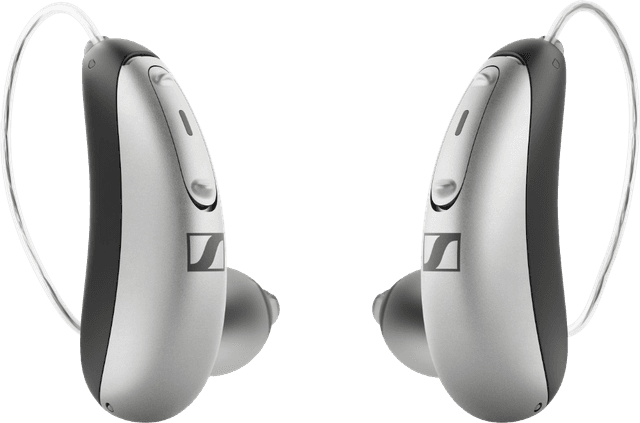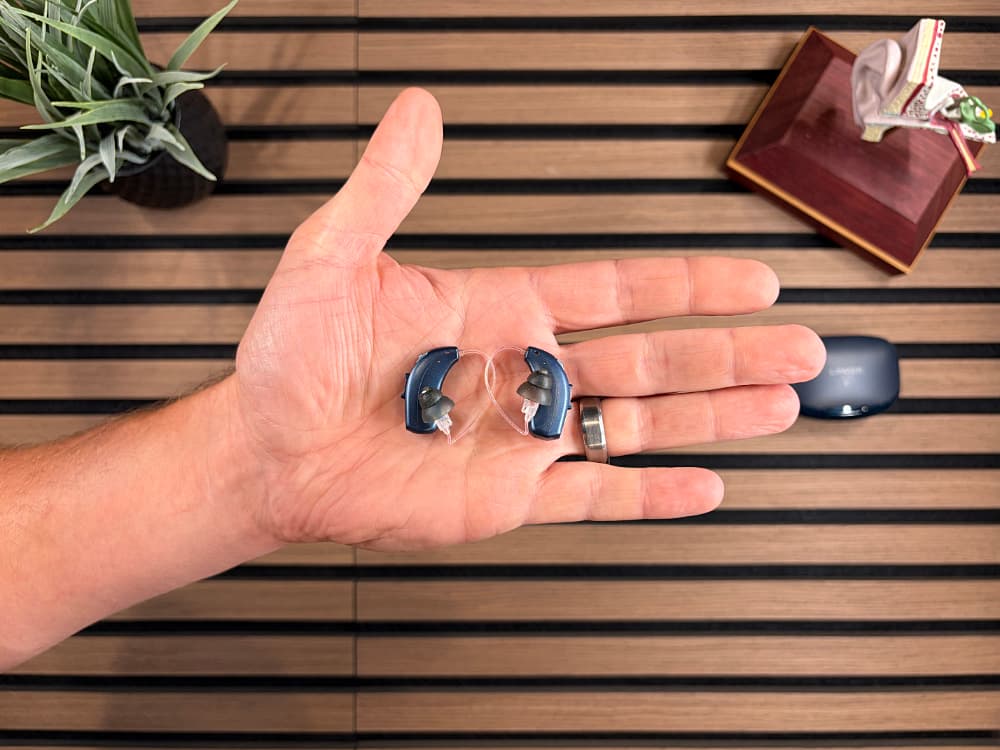
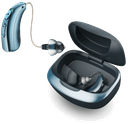
Linner Mercury Hero

Linner Mercury Expert Review

Budget OTC
Released 
2023

We independently review each item we recommend and appreciate your trust and support. When you buy through our links, we may earn a commission. Learn More.

Summary

The Linner Mercury is a budget-priced OTC hearing aid that earned a C grade in HearAdvisor's lab testing, ranking in the bottom 30% of the OTC hearing aid category. At $299, it positions itself as an affordable entry point into hearing amplification, though our testing revealed significant performance limitations.

In our lab evaluations, the Mercury struggled with its core function of improving speech understanding. Speech in quiet scored 0.32 points below the category average, while speech in noise performance was notably weak at 1.00 point below average—a critical shortcoming for real-world listening situations like restaurants or group conversations. Own voice comfort also measured below average, suggesting users may notice an unnatural sound quality when speaking.

The Mercury's strongest showing came in feedback handling, where it scored slightly above average with stable performance during movement. However, this single bright spot doesn't offset the device's broader limitations. Music streaming was not available for testing on this device.

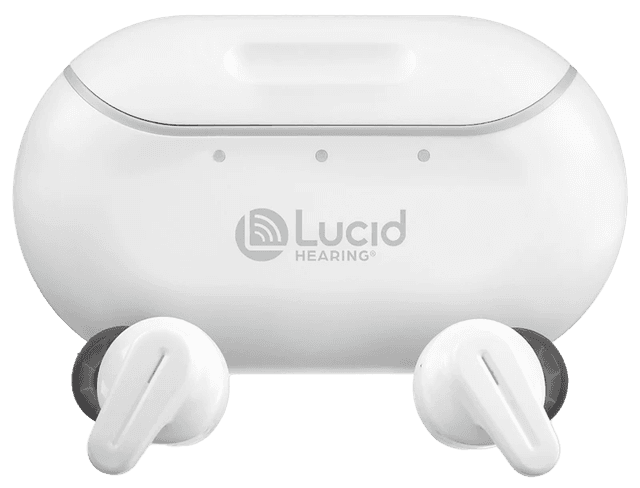
For budget-conscious shoppers, there are more compelling alternatives at similar or lower prices. The Linner Saturn at $129 and the Lucid Enrich Pro at $199 both outperform the Mercury significantly while costing less. The Mercury may suit users seeking basic amplification with minimal expectations, but those prioritizing speech clarity should consider higher-performing options in this competitive budget segment.

In the initial fit condition using a power dome coupling, the Linner Mercury delivered below-average performance across most metrics in our lab testing. Speech in quiet scored 2.50/5 and speech in noise was particularly weak at 0.30/5, indicating limited benefit in challenging listening environments. Own voice comfort measured 1.60/5, suggesting noticeable occlusion effects. Feedback handling was the relative strength at 4.40/5, providing stable amplification without whistling during normal use. The overall initial fit score of 1.71/5 reflects performance that falls short of category expectations.

The tuned fit condition maintained the same power dome coupling, and notably, performance did not improve with adjustment attempts. Speech scores remained essentially flat with speech in quiet at 2.30/5 and speech in noise dropping slightly to 0.20/5. Own voice comfort held at 1.60/5. Feedback handling improved marginally to 4.70/5, scoring above the category average. The overall tuned fit score of 1.64/5 was actually slightly lower than initial fit, suggesting the device offers limited adjustment flexibility to optimize for individual hearing needs.

We independently review each item we recommend and appreciate your trust and support. When you buy through our links, we may earn a commission. Learn More.

Lab Review Scores

C
SoundGrade
Initial Score
2.8
Tuned Score
2.7
Speech in quiet
best
2.5
5.0
Own voice
best
1.6
5.0
Speech in noise
best
0.3
5.0
Feedback handling
best
4.4
5.0
Music streaming
best
0.0
5.0

Loading listening test...

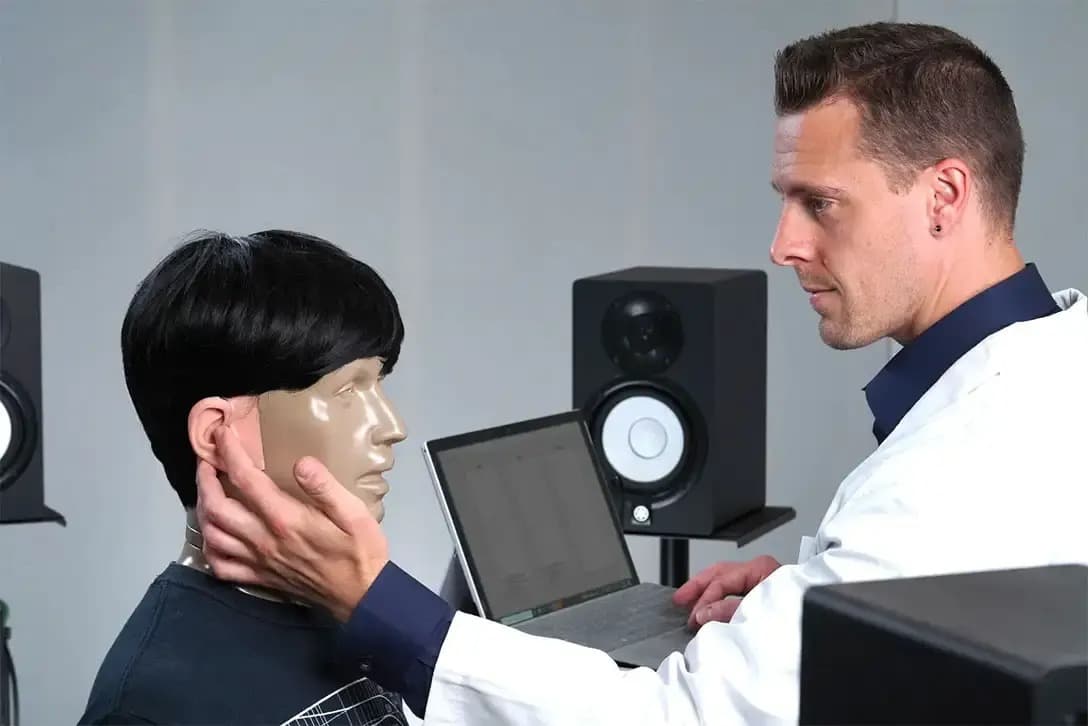
State-of-the-art Acoustic Laboratory

Quality data starts with quality recordings. HearAdvisor worked with GRAS to build a no-compromise front end so every test is repeatable and reliable.

Learn more
Steve in HearAdvisor Lab
Graph

Lab recordings

Adjust volume to make "No hearing aids" as loud as it would be in the real world, without hearing aids. Remove hearing aids while auditioning. High-quality headphones will improve results!
Linner Mercury Lab

Lab notes

Initial Fitting
Tuned Fitting
Ear Coupling
Initial Fitting
Power Dome
Tuned Fitting
Power Dome

Specs

Behind Ear
Behind Ear
Rechargeable Batteries