RCA In-Ear vs Zepp Clarity Pixie
Side-by-side HearAdvisor lab results with SoundGrades, expert pick badges, and the same visualizations we use in product reviews.
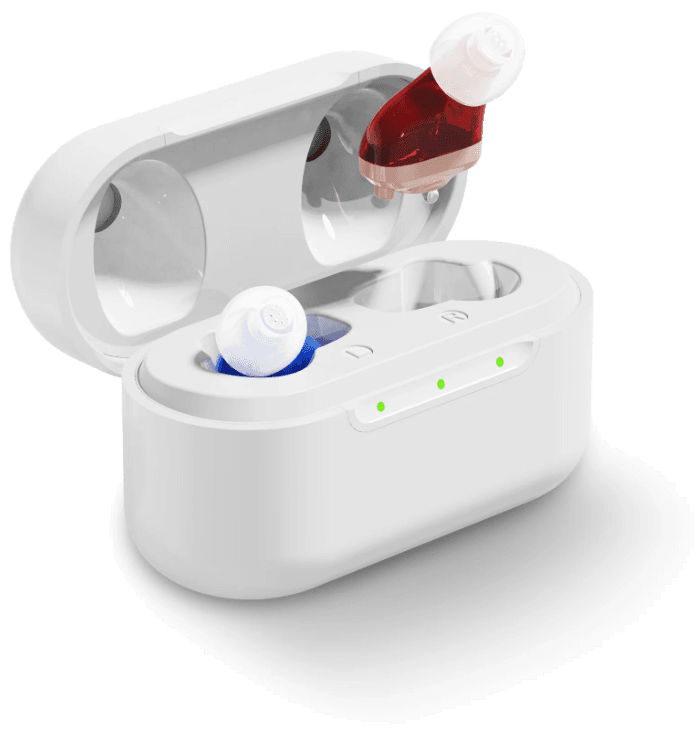
RCA In-Ear
The RCA In-Ear is a budget-priced OTC hearing aid available for $249, earning a C grade with a SoundScore of 2.8/5 in our lab testing. This places it near the bottom of the OTC hearing aid category, ranking 64th out of 65 devices tested. In our standardized testing, the RCA In-Ear shows a mixed performance profile. Its standout strength is excellent feedback handling, scoring a perfect 5.0/5—0.46 points above the category average. This means users are unlikely to experience whistling or squealing during normal wear. Own-voice comfort scores 2.6/5, which is essentially at the category average (+0.09 points), offering mixed but acceptable performance for how your own voice sounds while wearing the devices. However, the core speech performance metrics present significant limitations. Speech in quiet scores just 1.0/5, falling 1.79 points below the category average, and speech in noise also scores 1.0/5, sitting 0.48 points below average. Music streaming scored 0.0/5, indicating this device is not suitable for audio entertainment purposes. At this price point, buyers have considerably stronger options. Competitors like the Lucid Enrich Pro and JLab Hear OTC offer better sound performance at lower prices. The RCA In-Ear may appeal to those prioritizing feedback-free wear above speech clarity, but most users seeking meaningful hearing benefit should consider higher-performing alternatives in this budget segment.
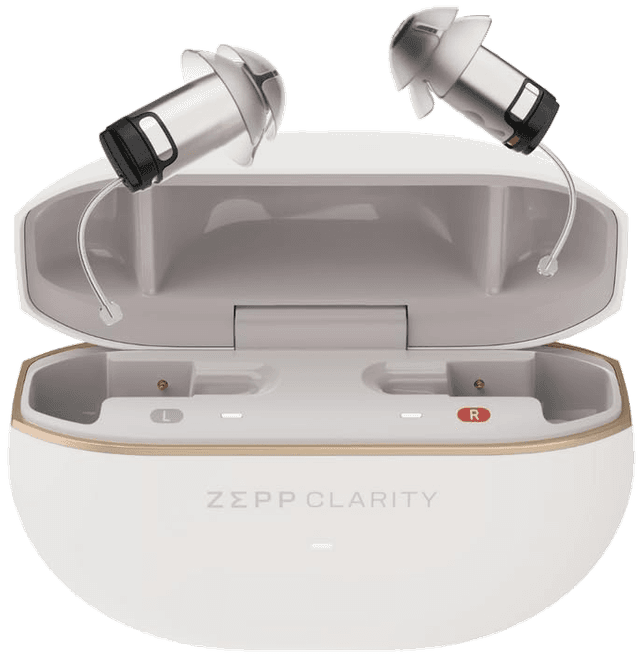
Zepp Clarity Pixie
The Zepp Clarity Pixie is a mid-priced OTC hearing aid featuring an invisible-in-ear design, priced at $999. In our lab testing, it earned a B grade with a SoundScore of 3.6/5, placing it in the top 48% of the OTC hearing aid category. This device delivers solid speech clarity in quiet environments, scoring 3.6/5—notably 0.77 points above the category average. Speech understanding in noisy settings scores 1.7/5, which is above the category average but low in absolute terms, indicating modest benefit when background noise is present. Feedback handling is strong at 4.3/5, though slightly below the category average of 4.54/5. The Pixie shows significant limitations in certain areas. Own-voice comfort scores 1.5/5, falling 1.01 points below the category average, which may result in a noticeable hollow or boomy quality to your own voice. Music streaming capability is essentially absent, scoring 0.0/5—nearly 2 points below average—making this device unsuitable for those who prioritize streaming audio quality. The invisible-in-ear form factor offers excellent discretion, and the device includes rechargeable batteries with both iPhone and Android streaming connectivity. However, shoppers in this price range should note that several competitors offer substantially higher sound performance. The Zepp Clarity Pixie may appeal to those prioritizing an ultra-discreet design and strong speech clarity in quiet settings, but listeners who value streaming music or need better noise management may find better options elsewhere in this price tier.
Performance metrics
Scale 1-5 (Tuned)
Lab metric by fit
Scale 1-5 (Tuned)
Speech level
Adjust input dB (Tuned)
Amplification (REIG)
Insertion gain at 65 dB (Tuned)
Fitting configuration for tuned fit