JVC EH-Z1500 vs Otofonix Encore
Side-by-side HearAdvisor lab results with SoundGrades, expert pick badges, and the same visualizations we use in product reviews.

Choice
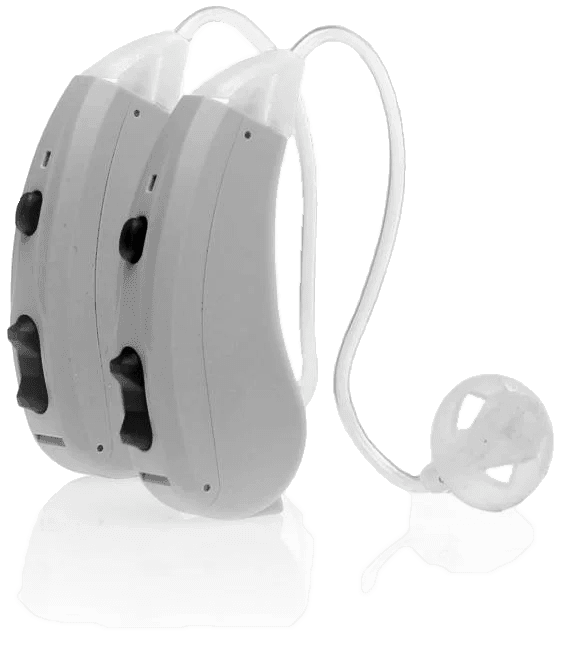
JVC EH-Z1500
The JVC EH-Z1500 is a mid-priced OTC hearing aid priced at $600, earning an A grade with a SoundScore of 4.0/5 in our lab testing. This behind-the-ear device ranks #19 among 65 OTC hearing aids tested, placing it in the top 28% of its category. Speech clarity is where this device truly excels. In quiet environments, it scores an excellent 4.6/5, performing 1.77 points above the category average. Speech in noise measures 2.6/5—above the category average by 1.09 points, though only mixed in absolute terms. For conversations in calm settings, the EH-Z1500 delivers strong performance that outpaces most OTC competitors. However, this device has notable limitations. Music streaming is not supported, scoring 0.0/5 and falling 1.92 points below the category average. Feedback handling scores a solid 3.8/5 in absolute terms, though this sits 0.74 points below the category average of 4.54/5. Own-voice comfort is mixed at 2.4/5, roughly in line with category norms. The EH-Z1500 uses disposable batteries and a tulip dome coupling. For those prioritizing speech intelligibility in quieter environments over streaming capabilities, this device offers solid value. However, buyers who want music streaming or need strong noise performance should consider alternatives like the Sony CRE-E10 or Lexie B2 Plus in this price range.
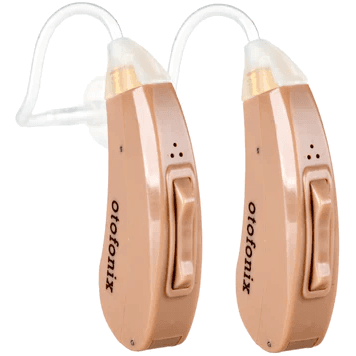
Otofonix Encore
The Otofonix Encore is a budget-priced prescription hearing aid available for $295, earning a C grade with a SoundScore of 2.7/5 in our lab testing. This behind-the-ear device ranks #37 of 39 in the Prescription Hearing Aid category, placing it in the bottom tier of its class. In our standardized testing, the Encore demonstrates one clear strength: excellent feedback handling at 4.7/5, which means users are unlikely to experience whistling or squealing during normal use. However, the device shows significant limitations in other areas. Speech intelligibility scores are low in both quiet (1.0/5) and noisy environments (1.0/5), falling 2.40 and 1.11 points below category averages respectively. Music streaming performance scored 0.0/5, indicating this device is not suitable for those who want to stream audio content. The Encore uses disposable batteries and comes in a traditional behind-the-ear style. Notably, our tuned fit testing showed a slight decrease in overall performance compared to the initial fit, with the normalized score dropping from 2.8/5 to 2.4/5. Own-voice comfort also declined substantially when moving to a more occluding coupling. At this price point, consumers may want to consider alternatives. The RxEars Rxi offers substantially better performance at a similar budget price point with a score of 4.07/5. The Otofonix Encore may appeal to buyers seeking a very low-cost entry into prescription hearing aids who prioritize feedback stability, but those needing reliable speech clarity or streaming capabilities should explore other options.
Performance metrics
Scale 1-5 (Tuned)
Lab metric by fit
Scale 1-5 (Tuned)
Speech level
Adjust input dB (Tuned)
Amplification (REIG)
Insertion gain at 65 dB (Tuned)
Audio scenes
Recorded samples (Tuned)
Fitting configuration for tuned fit