HearingAssist Micro vs Lucid Ultra 128
Side-by-side HearAdvisor lab results with SoundGrades, expert pick badges, and the same visualizations we use in product reviews.
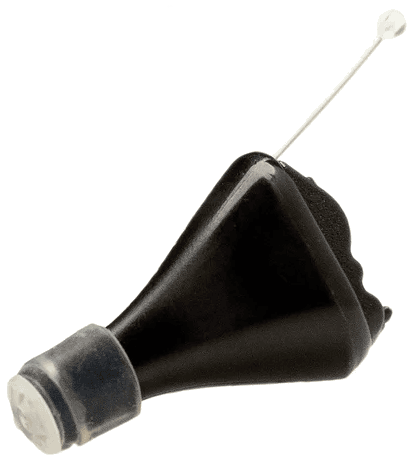
HearingAssist Micro
The HearingAssist Micro is a premium amplifier in the invisible-in-ear style, priced at $698. In HearAdvisor's lab testing, it earned a B grade with a SoundScore of 3.5/5, ranking #3 among 8 tested amplification products and placing in the top 25% of its category. This device demonstrates a clear strength in speech clarity for quiet environments, scoring 3.5/5—a solid result that sits 1.35 points above the category average of 2.11/5. Feedback handling is also strong at 4.0/5, providing stable performance during typical use. Own-voice comfort lands at 2.8/5, which is above the category average by 0.16 points, though still mixed in absolute terms. However, the Micro shows notable limitations in more challenging listening situations. Speech in noise scored just 1.1/5, falling 0.31 points below the category average—a meaningful weakness for users who frequently encounter background noise. Music streaming is where this device struggles most significantly, scoring 0.0/5, which is 1.16 points below the already-low category average. The HearingAssist Micro is best suited for listeners who primarily need amplification for face-to-face conversations in quiet settings and prioritize a discreet, nearly invisible form factor. Those who rely on phone streaming for music or podcasts, or who need robust performance in noisy environments, should consider alternatives. Within its price range, the Sennheiser Conversation Clear Plus offers notably higher overall performance at a similar investment.

Choice
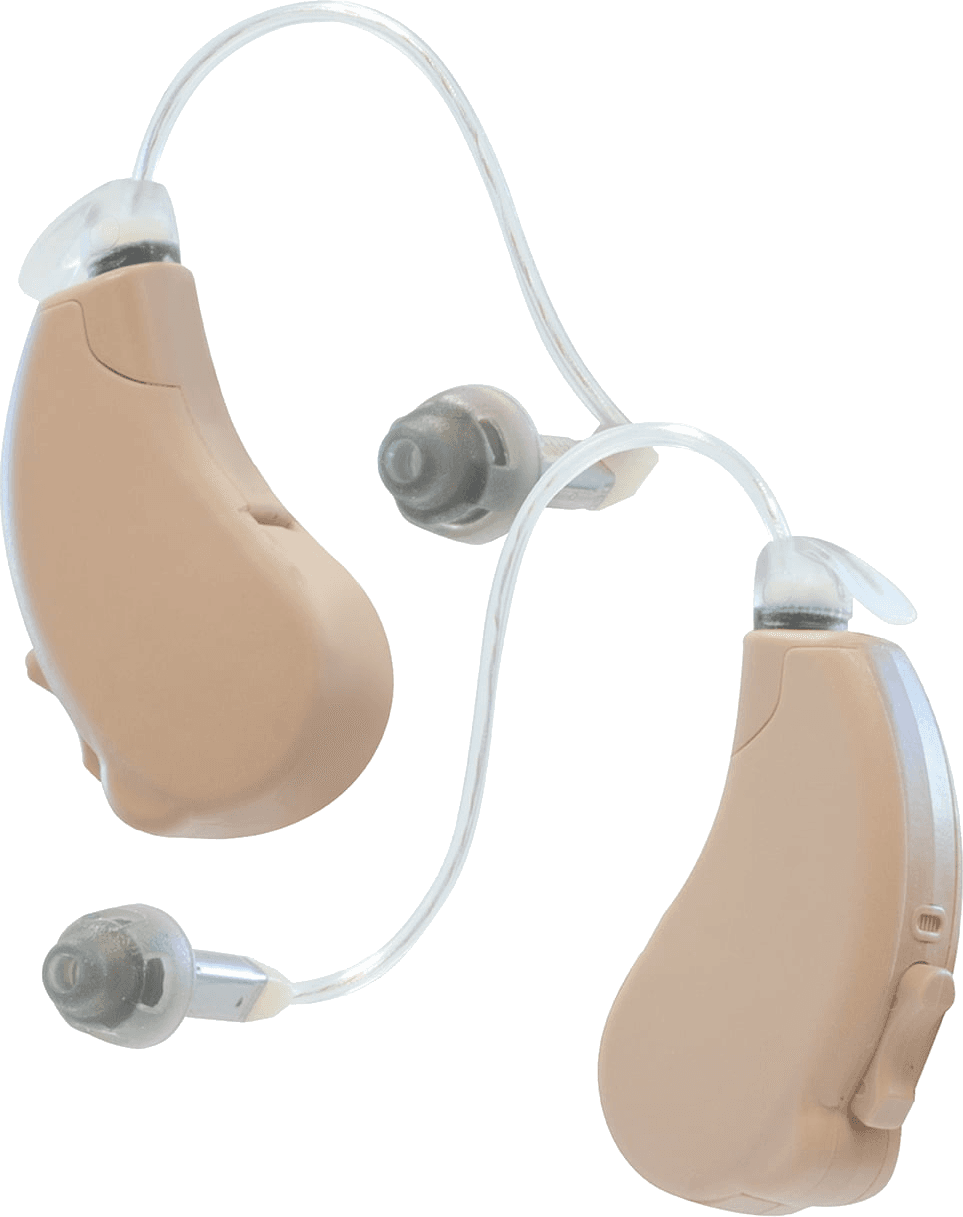
Lucid Ultra 128
The Lucid Ultra 128 is a premium behind-the-ear prescription hearing aid priced at $5,000, earning an A grade with a SoundScore of 4.4/5 in our lab testing. It ranks #17 among 39 prescription hearing aids tested, placing it in the top 41% of its category. Speech performance is where the Lucid Ultra 128 truly excels. In our lab testing, speech in quiet scored a strong 4.3/5, which is 0.95 points above the category average. Speech in noise performance reached 2.7/5, which sits above the category average by 0.59 points, though it remains mixed in absolute terms. This suggests the device handles conversational clarity well in our test scenarios, particularly in quieter environments. The device does face some challenges. Feedback handling scored just 1.7/5, falling 3.02 points below the category average of 4.72/5—a notable weakness compared to other prescription aids in our testing. Music streaming also came in below average at 2.3/5, which is 0.46 points under the category norm. Own-voice comfort scored a mixed 2.9/5, slightly above average. At this price point, several competitors in our database achieved higher overall scores, including the Phonak Sphere Infinio and Oticon Intent. The Lucid Ultra 128 features disposable batteries and supports both iPhone and Android streaming. It may appeal to users who prioritize speech clarity in quiet settings and are less concerned about feedback stability or music streaming fidelity in our standardized tests.
Performance metrics
Scale 1-5 (Tuned)
Lab metric by fit
Scale 1-5 (Tuned)
Speech level
Adjust input dB (Tuned)
Amplification (REIG)
Insertion gain at 65 dB (Tuned)
Fitting configuration for tuned fit