EarCentric EX2 vs Jabra Enhance Plus
Side-by-side HearAdvisor lab results with SoundGrades, expert pick badges, and the same visualizations we use in product reviews.
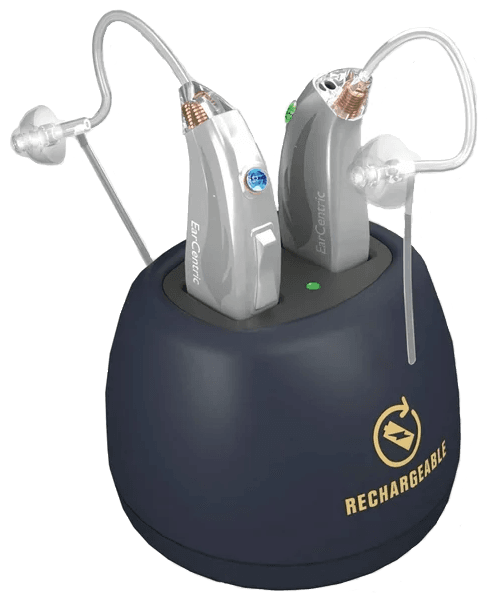
EarCentric EX2
The EarCentric EX2 is a behind-the-ear prescription hearing aid priced at $218, positioning it as a budget-friendly option in the prescription category. In HearAdvisor's lab testing, it earned a C grade with a SoundScore of 2.7/5, ranking #35 of 39 prescription hearing aids tested. This 2021 release demonstrates mixed performance across key metrics. Its standout strength is feedback handling, scoring an excellent 4.7/5—essentially matching the category average and indicating reliable stability during movement. However, speech performance is a significant weakness: speech in quiet scores just 1.0/5 (2.40 points below the category average of 3.40), and speech in noise scores 1.0/5 (1.11 points below average). These low absolute scores suggest limited audibility enhancement in our standardized test conditions. Own-voice comfort scores 2.3/5, which is mixed in absolute terms and 0.40 points below the category average. Music streaming scored 0.0/5, indicating this device is not suited for audio entertainment purposes. The EarCentric EX2 may appeal to budget-conscious consumers who prioritize cost over performance, but alternatives exist at similar or lower price points with stronger test results. The RxEars Rxi, available in the same price range, scored 4.07/5 in our testing. Consumers seeking entry-level amplification should weigh the significant speech clarity limitations against the low purchase price.
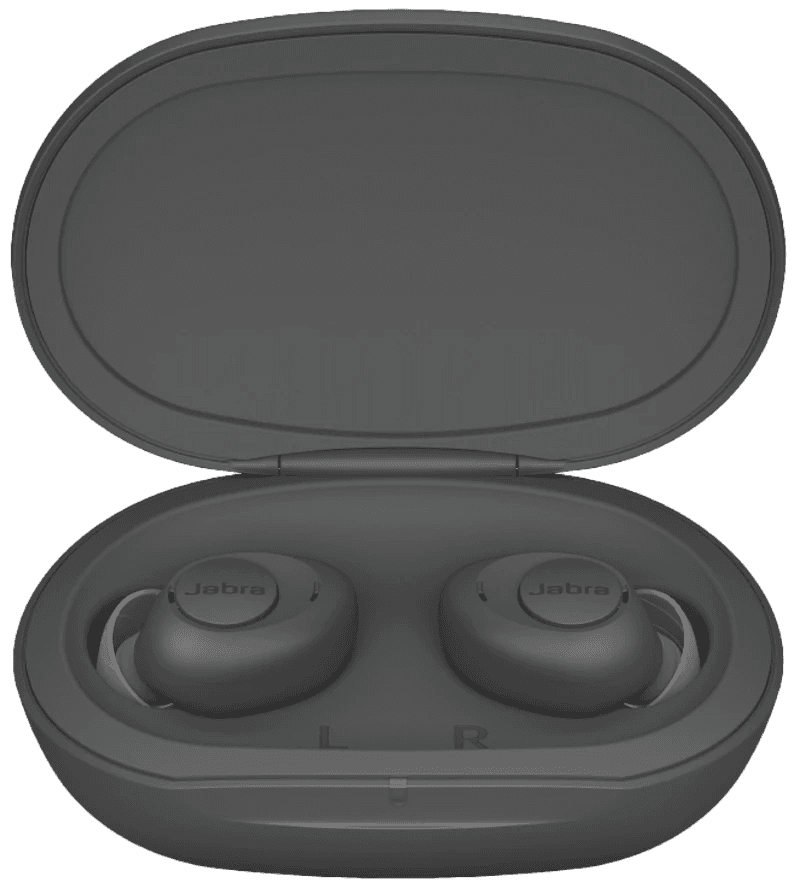
Jabra Enhance Plus
The Jabra Enhance Plus is a mid-priced OTC hearing aid priced at $799, earning a B grade with a SoundScore of 3.7/5 in our lab testing. This visible-in-ear device ranks #28 of 65 OTC hearing aids tested, placing it in the top 42% of its category. In our testing, the Enhance Plus demonstrated notable strengths in speech clarity and audio streaming. Speech in quiet scored a strong 4.2/5, measuring 1.36 points above the category average. Music streaming performance was equally impressive at 3.8/5, a full 1.88 points above average—making this a solid choice for users who prioritize phone audio streaming. Feedback handling was excellent at 4.7/5. However, the device has a significant weakness: own-voice comfort scored just 0.3/5, falling 2.21 points below the category average. This suggests pronounced occlusion effects that may make the user's own voice sound boomy or unnatural. Speech in noise performance was mixed at 2.1/5—above the category average by 0.62 points, but still limited in absolute terms for challenging listening environments. The Enhance Plus showed meaningful improvement with tuning, jumping from a normalized Initial Score of 3.6/5 to a Tuned Score of 4.2/5. Buyers should note that several competitors in the same price range score higher, including the Sony CRE-E10 at 4.66/5. This device is best suited for users who prioritize music streaming and speech clarity in quieter settings, and who can tolerate own-voice occlusion.
Performance metrics
Scale 1-5 (Tuned)
Lab metric by fit
Scale 1-5 (Tuned)
Speech level
Adjust input dB (Tuned)
Amplification (REIG)
Insertion gain at 65 dB (Tuned)
Fitting configuration for tuned fit