EarCentric EasyCharge vs Eargo 5
Side-by-side HearAdvisor lab results with SoundGrades, expert pick badges, and the same visualizations we use in product reviews.
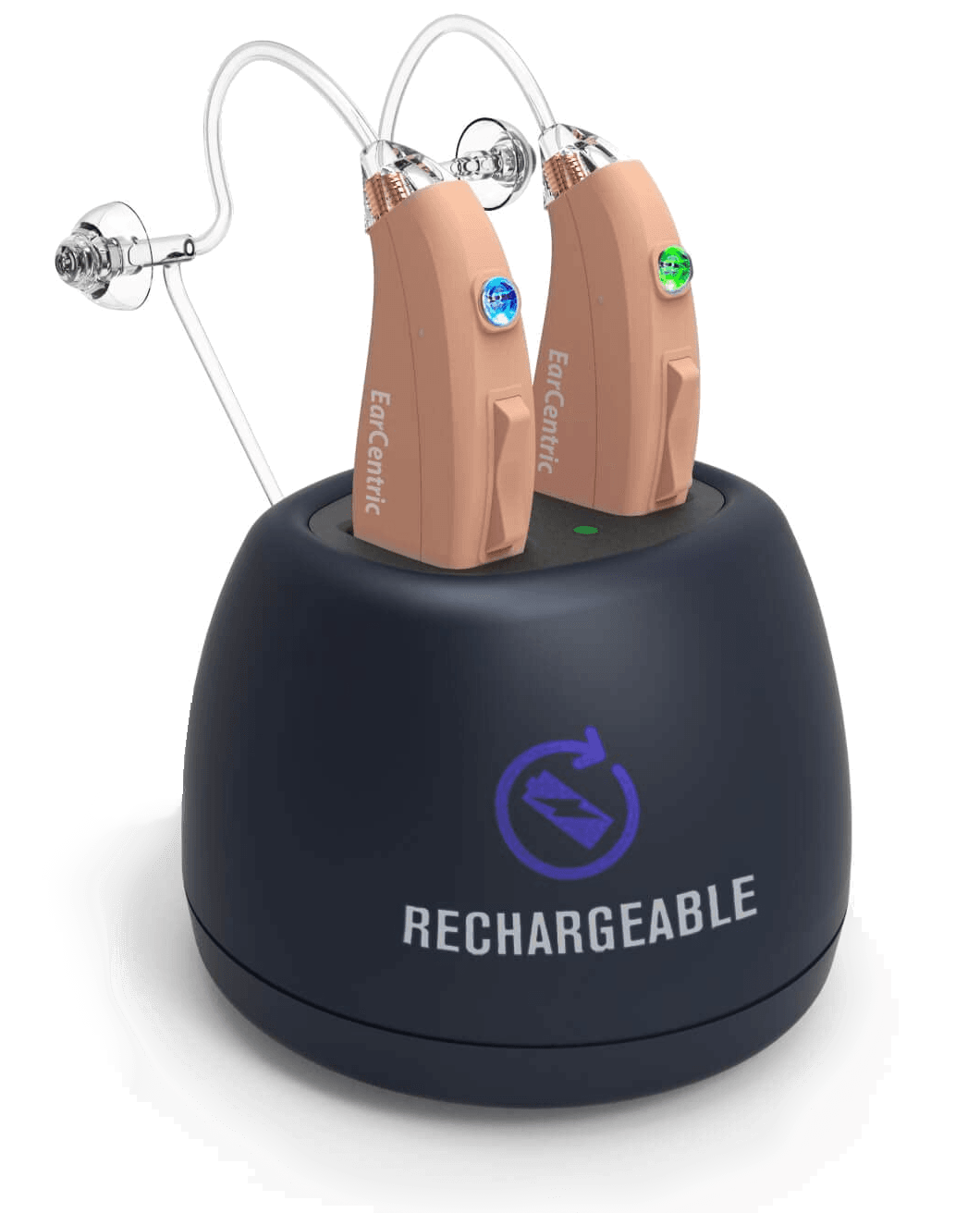
EarCentric EasyCharge
The EarCentric EasyCharge is a budget-priced prescription hearing aid available for $229, earning a C grade with a SoundScore of 2.7/5 in our lab testing. This behind-the-ear rechargeable device ranks #36 of 39 prescription hearing aids tested, placing it in the bottom tier of its category. In our standardized testing, the EasyCharge demonstrates a stark performance divide. Its standout strength is feedback handling, scoring an excellent 5.0/5—slightly above the category average of 4.72. This means users can expect stable performance without whistling during typical daily activities. However, speech clarity metrics tell a different story: speech in quiet scores just 1.0/5, which is 2.40 points below the category average, and speech in noise also scores 1.0/5, falling 1.11 points below average. Music streaming scored 0.0/5, indicating this device is not suitable for audio enjoyment. Own-voice comfort is also limited at 1.9/5, which is 0.80 points below the prescription hearing aid average of 2.70. The device showed no improvement between initial and tuned fitting conditions, with both scoring 2.7/5. At this price point, shoppers should note that alternatives exist with meaningfully better performance. The RxEars Rxi, available in the same price range, scores 4.07/5. The EasyCharge may appeal to those prioritizing feedback-free operation on a tight budget, but its low speech clarity scores suggest significant limitations for everyday conversation.
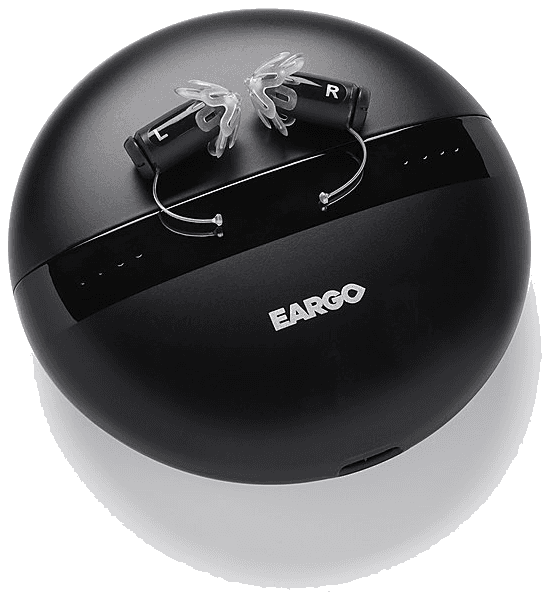
Eargo 5
The Eargo 5 is a premium-priced OTC hearing aid ($1,450) featuring an invisible-in-ear design with rechargeable batteries. In our lab testing, it earned a B grade with a SoundScore of 3.6/5, placing it in the top 52% of the OTC hearing aid category. This device demonstrates solid performance for speech understanding in quiet environments, scoring 3.5/5—0.75 points above the category average of 2.79/5. Own-voice comfort also measures above average at 2.8/5 (+0.29 vs category), though this remains mixed in absolute terms. Feedback handling is strong at 4.2/5, providing reliable stability during wear. However, the Eargo 5 shows notable limitations in other areas. Speech in noise performance is low at 1.4/5, slightly below the category average. Most significantly, music streaming scored 0.0/5, falling 1.92 points below the category average—this device does not support audio streaming functionality. The invisible-in-ear form factor appeals to users prioritizing discretion, and the closed sleeve coupling remains consistent between initial and tuned fits. Tuning provided modest improvement, moving from a normalized Initial Score of 3.5/5 to a Tuned Score of 3.7/5. Given its premium price point, consumers may want to compare against alternatives like the Sony CRE-C10 or Nuance Audio Glasses, which offer similar or better sound performance at lower price points. The Eargo 5 is best suited for users who prioritize cosmetic discretion and primarily need help with speech in quieter settings.
Performance metrics
Scale 1-5 (Tuned)
Lab metric by fit
Scale 1-5 (Tuned)
Speech level
Adjust input dB (Tuned)
Amplification (REIG)
Insertion gain at 65 dB (Tuned)
Audio scenes
Recorded samples (Tuned)
Fitting configuration for tuned fit