Otofonix Elite vs Resound Vivia 9 60S microRIE
Side-by-side HearAdvisor lab results with SoundGrades, expert pick badges, and the same visualizations we use in product reviews.
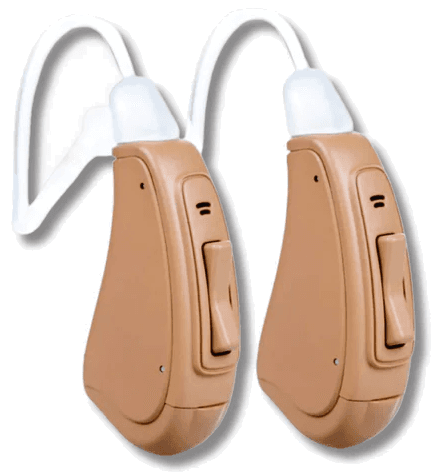
Otofonix Elite
The Otofonix Elite is a behind-the-ear amplification product priced at $249, earning a C grade with a SoundScore of 2.6/5 in HearAdvisor's lab testing. Released in 2016, this budget amplifier ranks #8 of 8 devices in the Amplification Product category. In our testing, the Elite demonstrates one clear strength: excellent feedback handling at 5.0/5, which is 0.72 points above the category average. This means users are unlikely to experience whistling or squealing during normal use. However, other performance metrics tell a different story. Speech clarity is a significant weakness. Speech in quiet scores just 1.0/5, which is 1.11 points below the category average, while speech in noise also scores 1.0/5, falling 0.37 points below average. Own-voice comfort is particularly low at 0.1/5 in the tuned configuration—2.54 points below the category average—meaning users may find their own voice sounds boomy or unnatural. Music streaming is not supported, scoring 0.0/5. At this price point, consumers should note that alternatives like the Audien Hearing Atom offer better sound performance at a lower price. The Otofonix Elite may appeal to those prioritizing feedback-free operation above all else, but its limited speech benefit and comfort challenges make it difficult to recommend for most users seeking improved hearing clarity.
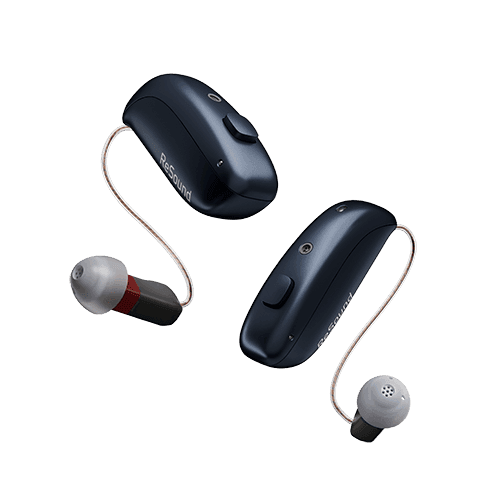
Resound Vivia 9 60S microRIE
The ReSound Vivia 9 60S microRIE is a premium prescription behind-the-ear hearing aid released in 2025, currently available at $3,798. In our lab testing, it earned a B grade with a SoundScore of 3.9/5, ranking #29 of 39 prescription hearing aids tested. This device shows a mixed performance profile. Its standout strength is own-voice comfort, scoring 3.4/5—a solid result that sits 0.70 points above the category average. Speech clarity in quiet environments also performs at category average with a score of 3.4/5. Feedback handling is strong in absolute terms at 4.2/5, though this falls 0.52 points below the category average, reflecting the high bar set by competing prescription devices. The Vivia 9's most notable weakness is speech understanding in noisy environments, where it scored just 1.1/5—a low result that trails the category average by 0.96 points. Music streaming performance is mixed at 2.6/5, sitting slightly below average. These limitations are worth considering given the premium price positioning. For listeners who prioritize comfortable own-voice perception and primarily encounter quieter listening situations, the Vivia 9 may be suitable. However, those frequently in challenging noise environments should note that several alternatives in this price range—including the Phonak Sphere Infinio and Oticon Intent—deliver stronger overall performance in our testing. Budget-conscious shoppers may also find comparable sound quality at lower price points with options like the Jabra Enhance Pro 20 at Costco.
We independently review each item we recommend and appreciate your trust and support. When you buy through our links, we may earn a commission. Learn More.
Performance metrics
Scale 1-5 (Tuned)
Lab metric by fit
Scale 1-5 (Tuned)
Speech level
Adjust input dB (Tuned)
Amplification (REIG)
Insertion gain at 65 dB (Tuned)
Audio scenes
Recorded samples (Tuned)
Fitting configuration for tuned fit