Meta Ray-Ban Glasses (Gen 2) vs ReSound OMNIA miniRIE
Side-by-side HearAdvisor lab results with SoundGrades, expert pick badges, and the same visualizations we use in product reviews.
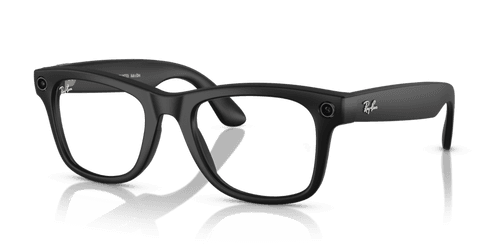
Meta Ray-Ban Glasses (Gen 2)
The Meta Ray-Ban Glasses (Gen 2) is a budget-priced amplification product in the hearing glasses style, earning a B grade with a SoundScore of 3.8/5 in our lab testing. Priced at $375, this device ranks #2 of 8 in the Amplification Product category. In our testing, this product demonstrated exceptional strengths in music streaming quality, scoring 4.3/5—a remarkable 3.14 points above the category average. Own-voice comfort was equally impressive at 4.7/5, exceeding the category average by over 2 points. These results suggest Meta has prioritized the audio experience that their glasses are known for, delivering strong fidelity for streamed content and minimal occlusion-related discomfort. However, speech performance presents a more mixed picture. Speech in quiet scored 2.7/5, which is above the category average by 0.62 points but only mixed in absolute terms. Speech in noise measured 1.6/5—still above average for the category, but low overall. The most notable weakness is feedback handling at 1.9/5, falling 2.38 points below the category average. The Meta Ray-Ban Glasses (Gen 2) are best suited for users who prioritize music streaming quality and comfort over maximum speech clarity. Those seeking amplification primarily for challenging listening environments may want to consider alternatives with stronger speech-in-noise performance.

Choice
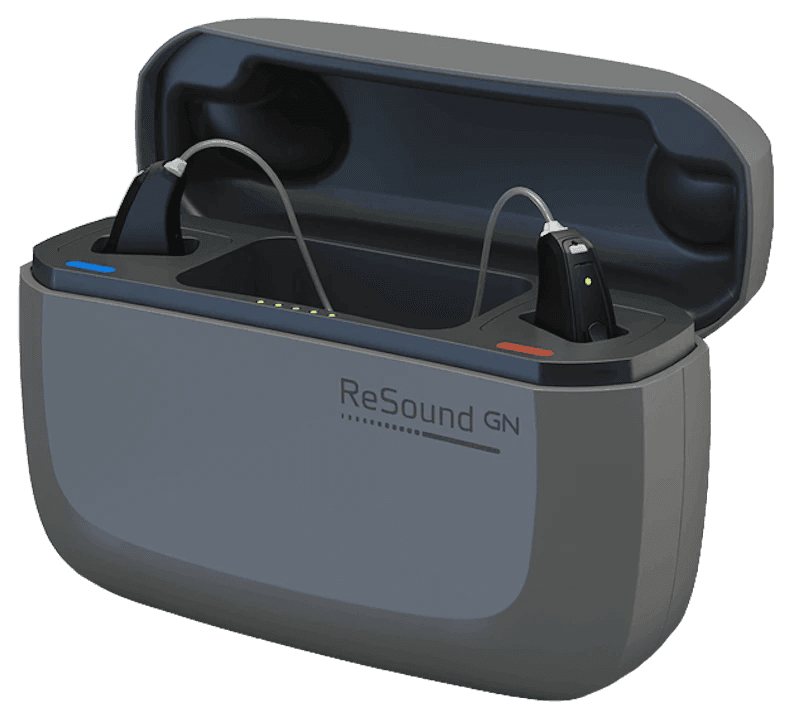
ReSound OMNIA miniRIE
The ReSound OMNIA miniRIE is a premium prescription behind-the-ear hearing aid released in 2022, priced at $4,764. In our lab testing, it earned a SoundScore of 4.0/5 (A grade), ranking #26 of 39 prescription hearing aids tested. This device demonstrates solid speech clarity in quiet environments, scoring 3.7/5—0.26 points above the category average. Own-voice comfort also measures slightly above average at 2.9/5. However, the OMNIA miniRIE struggles in challenging listening situations, with speech-in-noise performance scoring just 1.0/5, which is 1.11 points below the category average and low in absolute terms. This represents a significant limitation for users who frequently encounter noisy environments like restaurants or social gatherings. Feedback handling is strong in absolute terms at 4.1/5, though this falls 0.62 points below the prescription hearing aid category average of 4.72/5. Music streaming performance is mixed at 2.7/5, essentially matching the category average. The device offers modern connectivity features including iPhone and Android streaming, hands-free calling, and rechargeable batteries. While the OMNIA miniRIE has earned Expert's Choice Awards in 2023 and 2024, consumers in this premium price tier should note that several competitors—including the Phonak Sphere Infinio and Oticon Intent—achieve higher overall scores. This hearing aid may be best suited for individuals who prioritize performance in quieter settings and value ReSound's ecosystem, but those needing robust noise management should explore alternatives.
Performance metrics
Scale 1-5 (Tuned)
Lab metric by fit
Scale 1-5 (Tuned)
Speech level
Adjust input dB (Tuned)
Amplification (REIG)
Insertion gain at 65 dB (Tuned)
Fitting configuration for tuned fit