Lucid Enrich Pro vs MDHearing Volt
Side-by-side HearAdvisor lab results with SoundGrades, expert pick badges, and the same visualizations we use in product reviews.
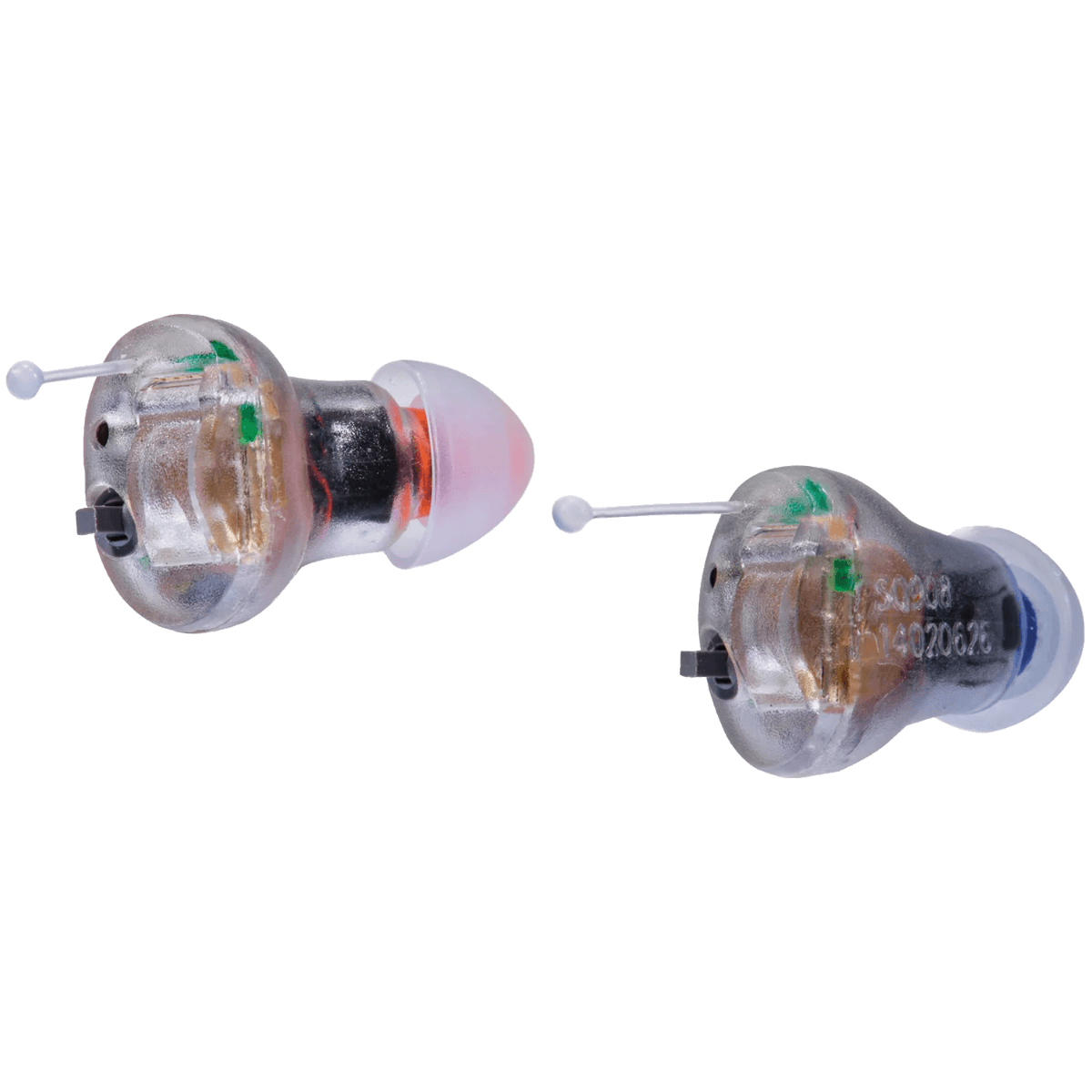
Lucid Enrich Pro
The Lucid Enrich Pro is a budget-priced OTC hearing aid available for $200, earning a B grade with a SoundScore of 3.7/5 in our lab testing. This visible-in-ear style device ranks #31 of 65 OTC hearing aids tested, placing it in the top 46% of its category. The Enrich Pro's standout strength is speech understanding in quiet environments, scoring 3.8/5—nearly a full point above the OTC category average. This solid performance in everyday conversation settings is notable for a device at this price point. Speech in noise measures 1.7/5, which is above the category average but low in absolute terms, indicating limited benefit in challenging acoustic environments like restaurants or group gatherings. Feedback handling is strong at 4.0/5, though slightly below the category average of 4.54/5. Own-voice comfort scores 2.0/5, falling below average and suggesting some users may notice their own voice sounds unnatural. Music streaming is not supported on this device, scoring 0.0/5. The Enrich Pro uses disposable batteries rather than rechargeables. This budget OTC option is best suited for individuals primarily seeking help with face-to-face conversations in quieter settings who don't require streaming capabilities. Buyers prioritizing music streaming or challenging noise environments may want to consider alternatives like the higher-scoring Elehear Beyond or Apple AirPods Pro 2 in this price range.
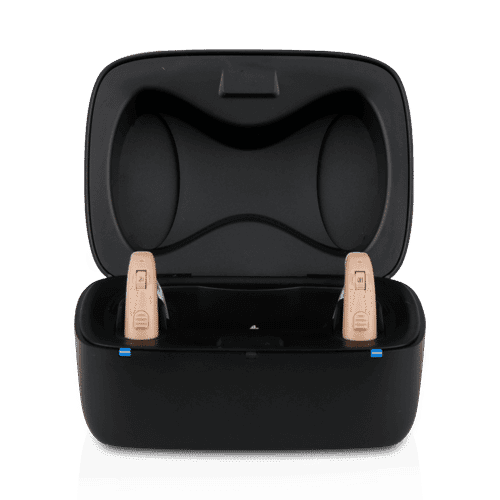
MDHearing Volt
The MDHearing Volt is a budget-priced prescription hearing aid released in 2020, earning a B grade with a SoundScore of 3.0/5 in our lab testing. At $397, it sits in the lowest price tier for prescription devices, ranking #34 of 39 in its category. In our testing, the Volt showed a mixed performance profile with one standout strength: feedback handling scored an excellent 5.0/5, which is 0.28 points above the category average. This means users can expect minimal whistling or squealing during typical wear. However, speech performance was limited, with speech in quiet scoring 1.8/5 (1.65 points below average) and speech in noise at 1.0/5 (1.11 points below average). Own voice comfort was mixed at 2.6/5, roughly matching the category average. Music streaming capability was not functional in our testing, scoring 0.0/5—a significant limitation for users who want to stream audio from their phone. This is 2.76 points below the prescription hearing aid category average. The Volt may appeal to budget-conscious consumers who prioritize basic amplification and feedback-free wear over advanced speech enhancement or streaming features. Those seeking stronger speech performance in the same price range may want to consider alternatives like the RxEars Rxi, which scored 4.07/5 in our testing. The Volt's rechargeable battery and behind-the-ear design offer practical convenience, but its core sound performance reflects its entry-level positioning.
We independently review each item we recommend and appreciate your trust and support. When you buy through our links, we may earn a commission. Learn More.
Performance metrics
Scale 1-5 (Tuned)
Lab metric by fit
Scale 1-5 (Tuned)
Speech level
Adjust input dB (Tuned)
Amplification (REIG)
Insertion gain at 65 dB (Tuned)
Fitting configuration for tuned fit