Apple AirPods Pro 3 vs Eargo 6
Side-by-side HearAdvisor lab results with SoundGrades, expert pick badges, and the same visualizations we use in product reviews.
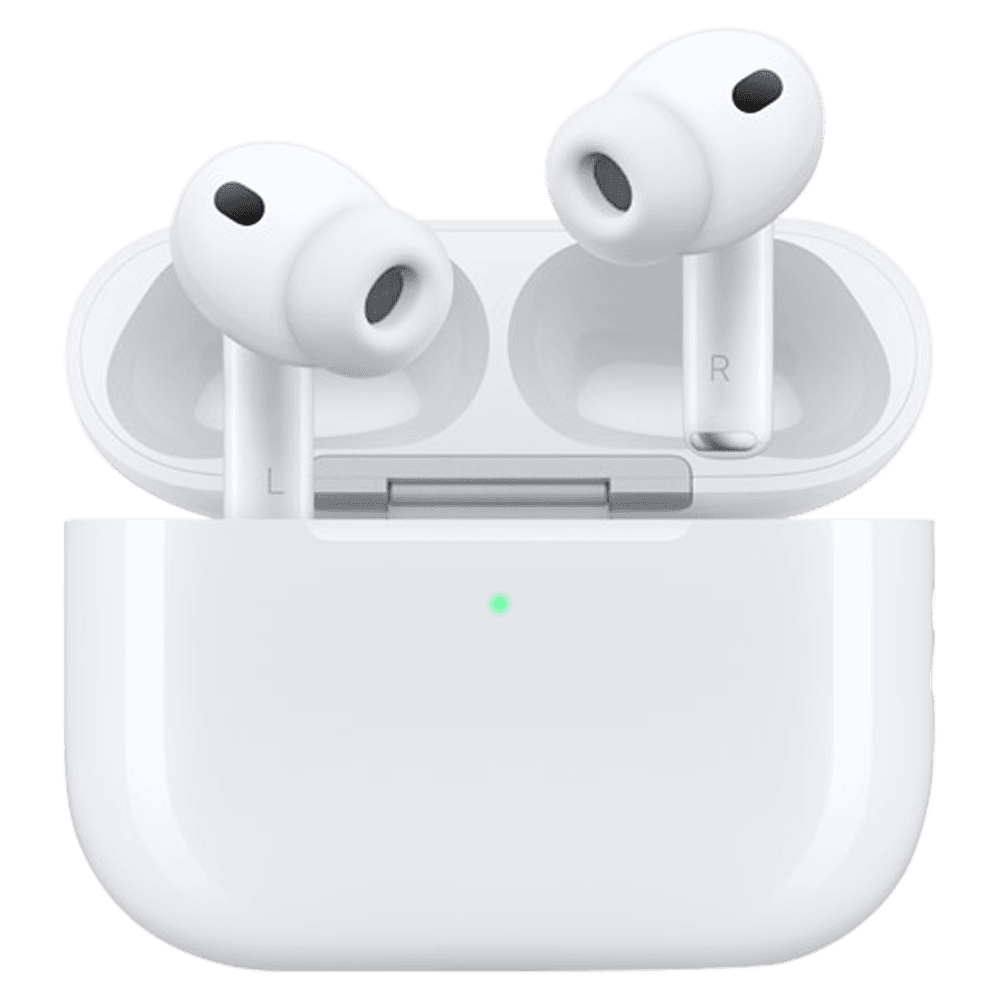
Apple AirPods Pro 3
The Apple AirPods Pro 3 is a budget-priced OTC hearing aid available at $250, earning a B grade with a SoundScore of 3.3/5 in our lab testing. This visible-in-ear device ranks #49 of 65 OTC hearing aids tested, placing it in the top 74% of its category. The standout performance area is music streaming, scoring a strong 4.3/5—a full 2.38 points above the category average. Feedback handling is excellent at 5.0/5, meaning users can expect stable performance without whistling during normal use. However, speech performance presents a more mixed picture: speech in quiet scores 2.3/5, falling 0.53 points below the category average, while speech in noise scores 1.8/5—above the category average but low in absolute terms. Own-voice comfort is a notable weakness at 1.9/5, scoring 0.61 points below the category average, which may affect how natural your own speech sounds while wearing the devices. The product showed meaningful improvement from tuning, with the normalized score rising from 3.2/5 to 3.8/5 after adjustment. The AirPods Pro 3 is best suited for users who prioritize music streaming quality and seamless Apple ecosystem integration over maximum speech clarity. Budget-conscious shoppers should note that several competitors in the same price range—including the Elehear Beyond and the previous-generation Apple AirPods Pro 2—achieved higher overall scores in our testing.
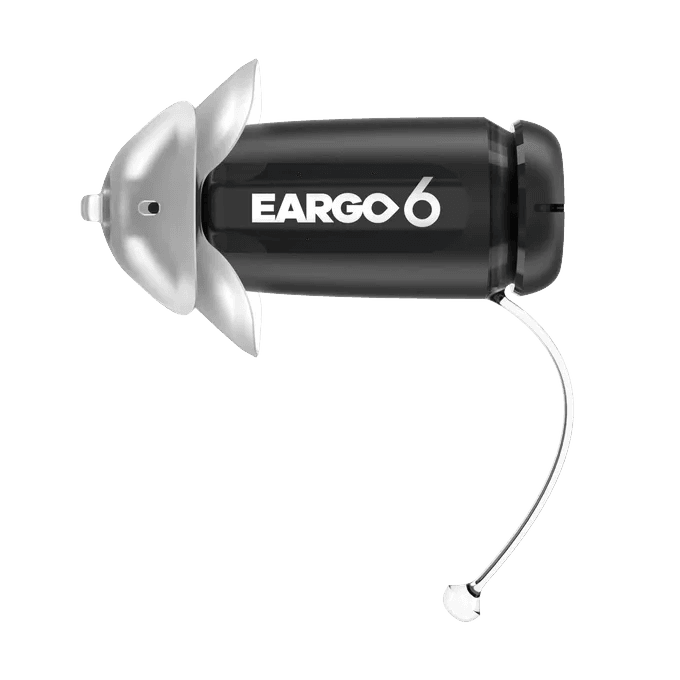
Eargo 6
The Eargo 6 is a premium-priced OTC hearing aid ($2,250) that earns a B grade with a SoundScore of 3.4/5 in our lab testing. This invisible-in-ear device ranks #42 of 65 OTC hearing aids tested, placing it in the top 63% of its category. In our standardized testing, the Eargo 6 demonstrates solid speech clarity in quiet environments, scoring 3.3/5—notably 0.53 points above the OTC category average. Own-voice comfort also performs above category average at 2.9/5, which may benefit users sensitive to the sound of their own voice. However, the device shows limitations in challenging listening situations, with speech-in-noise performance scoring 1.0/5, falling 0.48 points below the category average. A significant limitation is music streaming, which scores 0.0/5—well below the category average by 1.92 points. Users who prioritize streaming audio content should consider alternatives. Feedback handling scores 3.3/5, which is solid in absolute terms though 1.24 points below the category average of 4.54/5. The Eargo 6 may appeal to users prioritizing a completely invisible form factor and solid quiet-environment performance. However, at its premium price point, alternatives like the Sony CRE-C10 offer stronger overall performance at a lower price. The rechargeable battery adds convenience, but buyers should weigh the device's limitations in noise and streaming against its aesthetic benefits.
Performance metrics
Scale 1-5 (Tuned)
Lab metric by fit
Scale 1-5 (Tuned)
Speech level
Adjust input dB (Tuned)
Amplification (REIG)
Insertion gain at 65 dB (Tuned)
Fitting configuration for tuned fit